
Cafeterias
A cafeteria does not only need a faster queue. It needs the order to start before the customer reaches it.
Peak windows are short. Waiting, waste, and stockouts erode margin quickly. FoodTech connects menu, ordering, payment, preparation, and inventory so every minute of the rush becomes manageable.
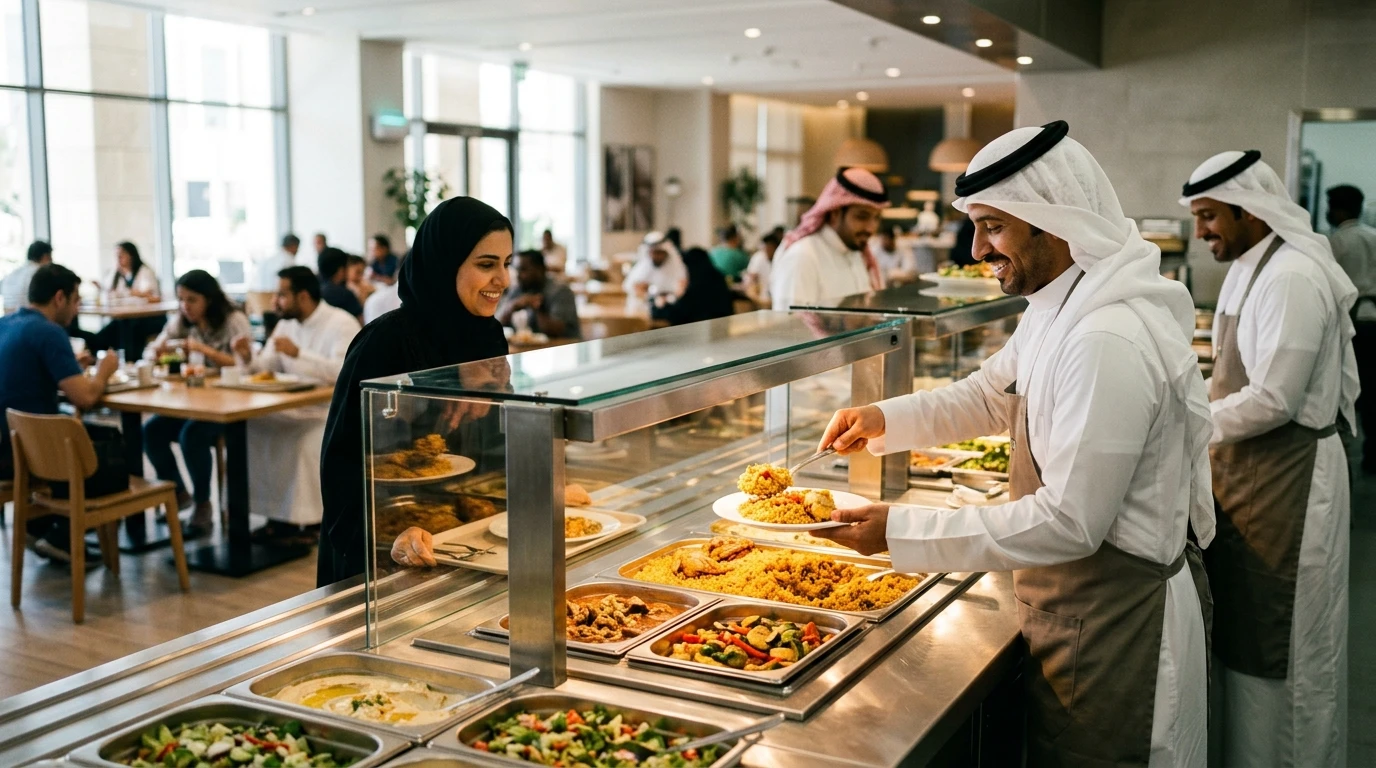
Operating reality
When everyone arrives at once, the queue becomes the bottleneck: one employee takes orders, another searches for items, the kitchen receives work late, and customers spend their break waiting.
How the capability works
Customers order from their phone or a service point, orders enter execution directly, preparation is prioritized around pickup timing, and inventory moves with each sale. When LuxPay is enabled, payment can be completed digitally before pickup.
The decision shift
A queue is not always proof of strong demand. Sometimes it is demand without a faster path.The goal is not only faster cashier entry. Move ordering and payment upstream so the team can spend more of the rush preparing and handing off food.
Operating signals
Do not count orders alone. Know where demand starts and where it slows down.
Order time
Measure from customer selection to accepted order, not cashier time alone.
Preparation time
See which station slows down during the rush and where capacity needs to move.
Live availability
Do not sell an item through POS or self-ordering after it is gone.
Peak pressure
Relate incoming orders to preparation and pickup capacity before pressure becomes a queue.
Waste
Compare advance preparation with actual sales to reduce leftovers.
Basket value
Test additions that increase order value without slowing service.
Cafeterias
What should materially improve in this business.
Start the order before the queue
Manage peaks through time and capacity, not reaction
Show what is actually available and hide stockouts
Send orders to execution without re-entry
Reduce handoff time with digital payment when LuxPay is enabled
Read waste, sales, and inventory as one operating economy
Order moment
The best journey already understands location before asking customers to explain it.
A customer sees the menu before the cashier, orders and pays, then heads to pickup.
An item sells out during the rush and disappears from new orders before customers wait for it.
A customer selects a pickup window and execution receives a clear timing target.
A recurring daily order becomes faster because the experience does not restart from zero.
Related products
Ordering, QR, kitchen execution, and payment should behave as one journey.
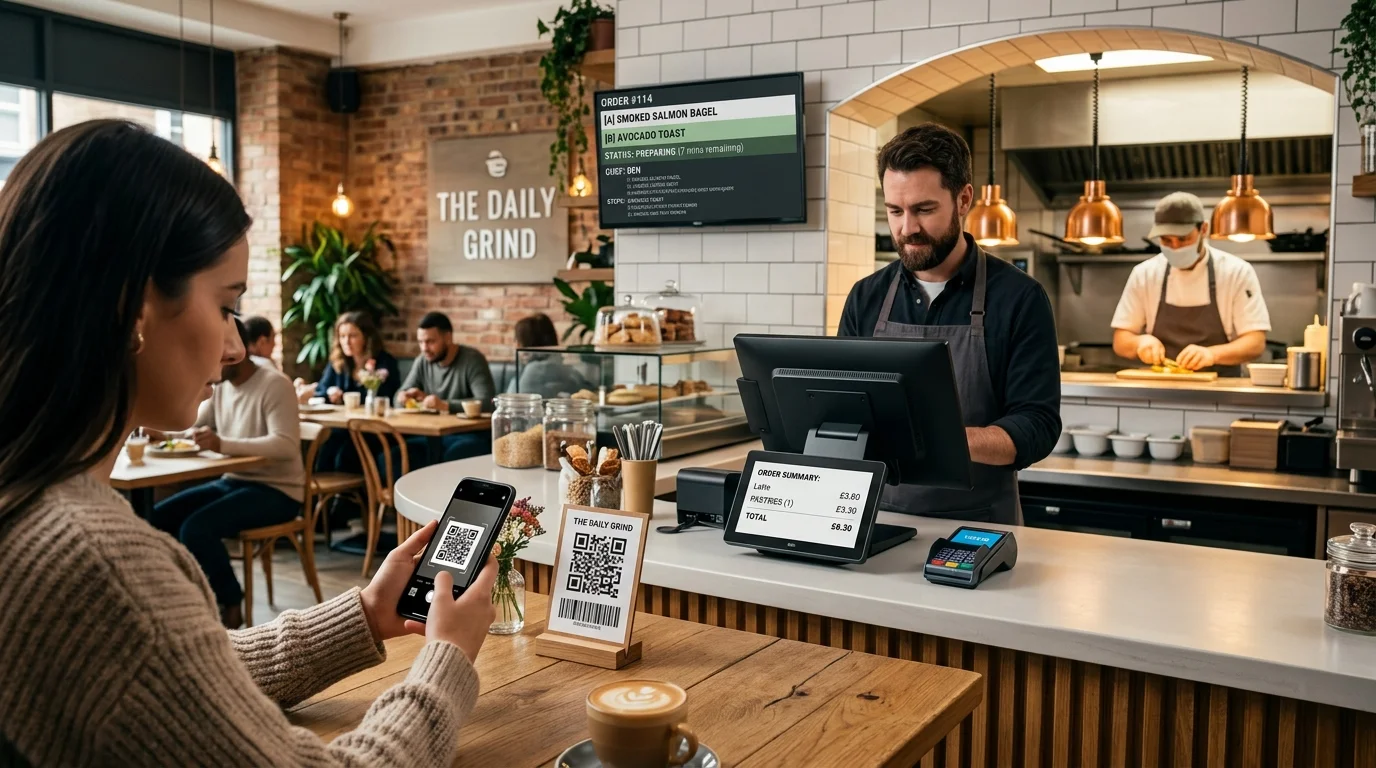
FoodTech POS
Before the total appears, an order has moved ingredients, staff time, customer context, and payment.
More details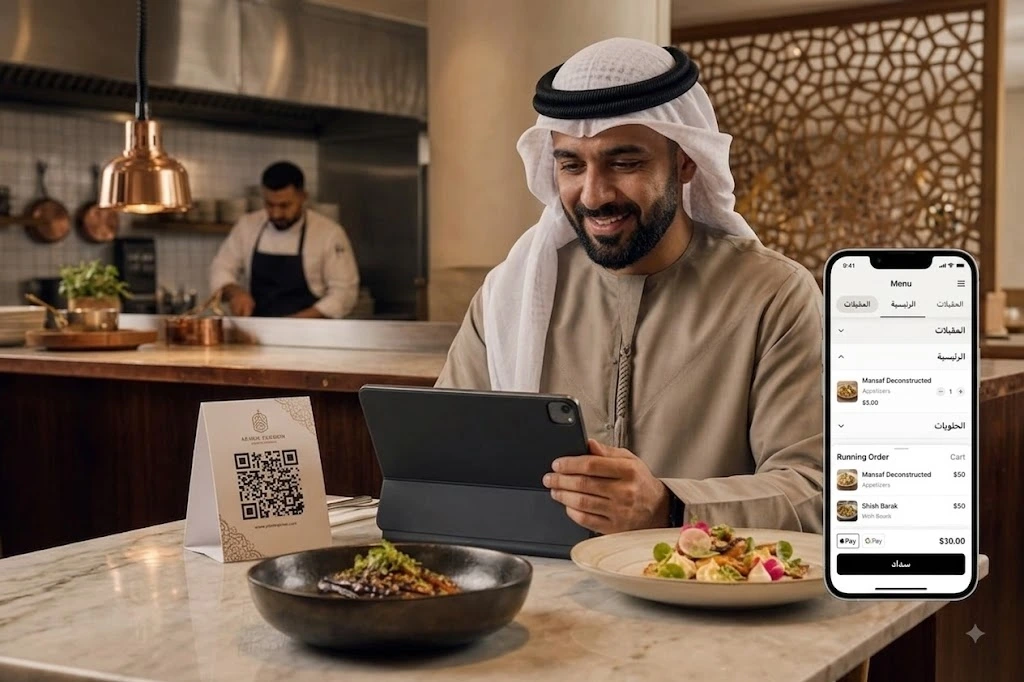
FoodTech Nexora
Table, home, car, kiosk, or counter: Nexora turns each starting point into an order reaching the same operation.
More details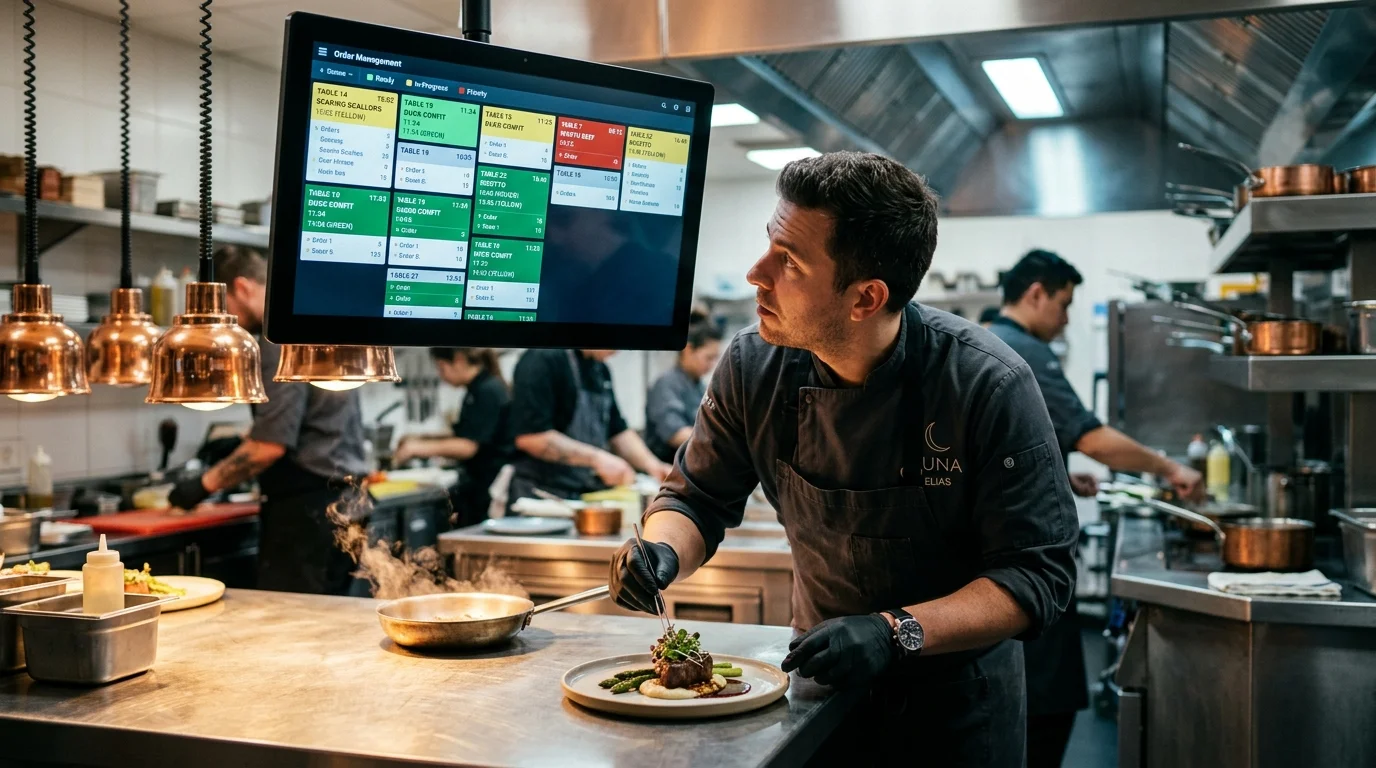
Kitchen Display
Every order is a promise competing for station time, sequence, and handoff.
More details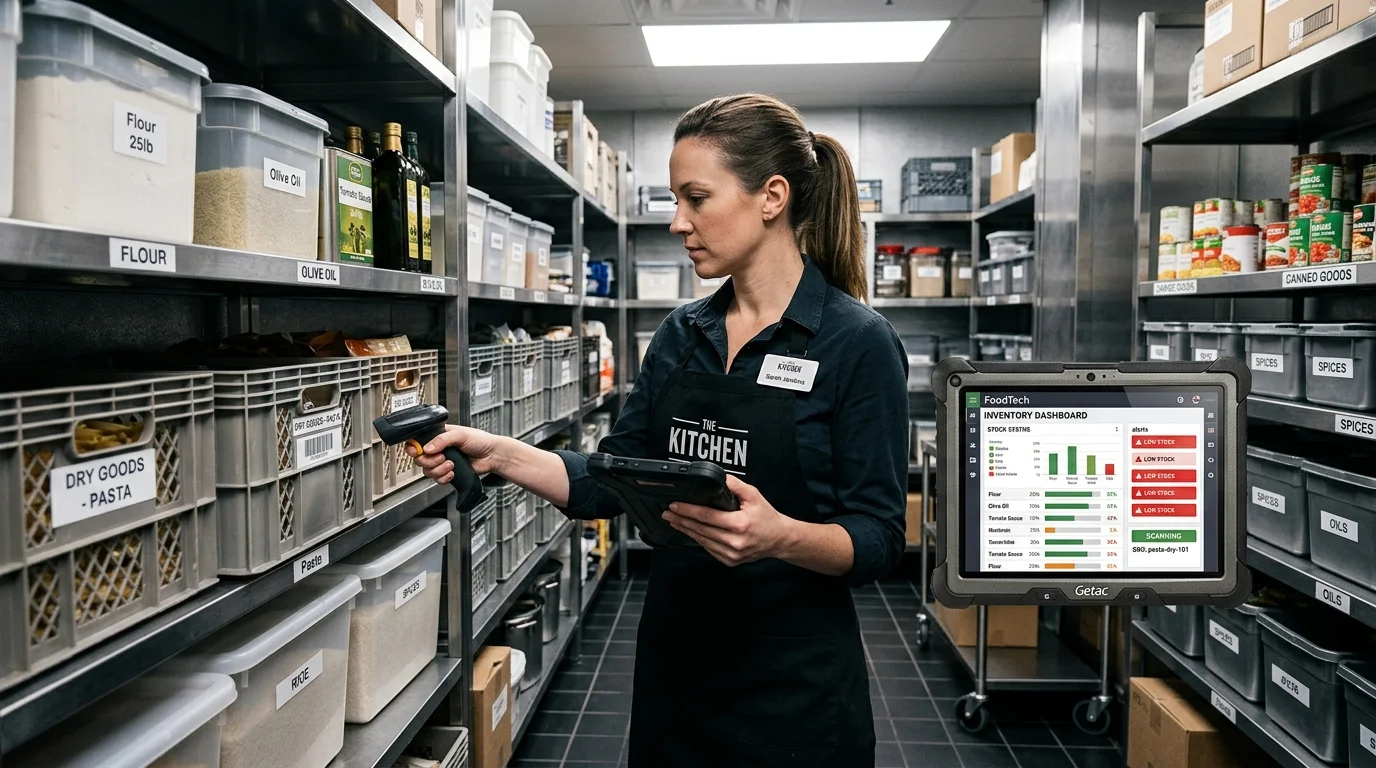
Inventory
Ingredients begin as cash leaving the business. They return through preparation and sale—or remain in waste and variance.
More details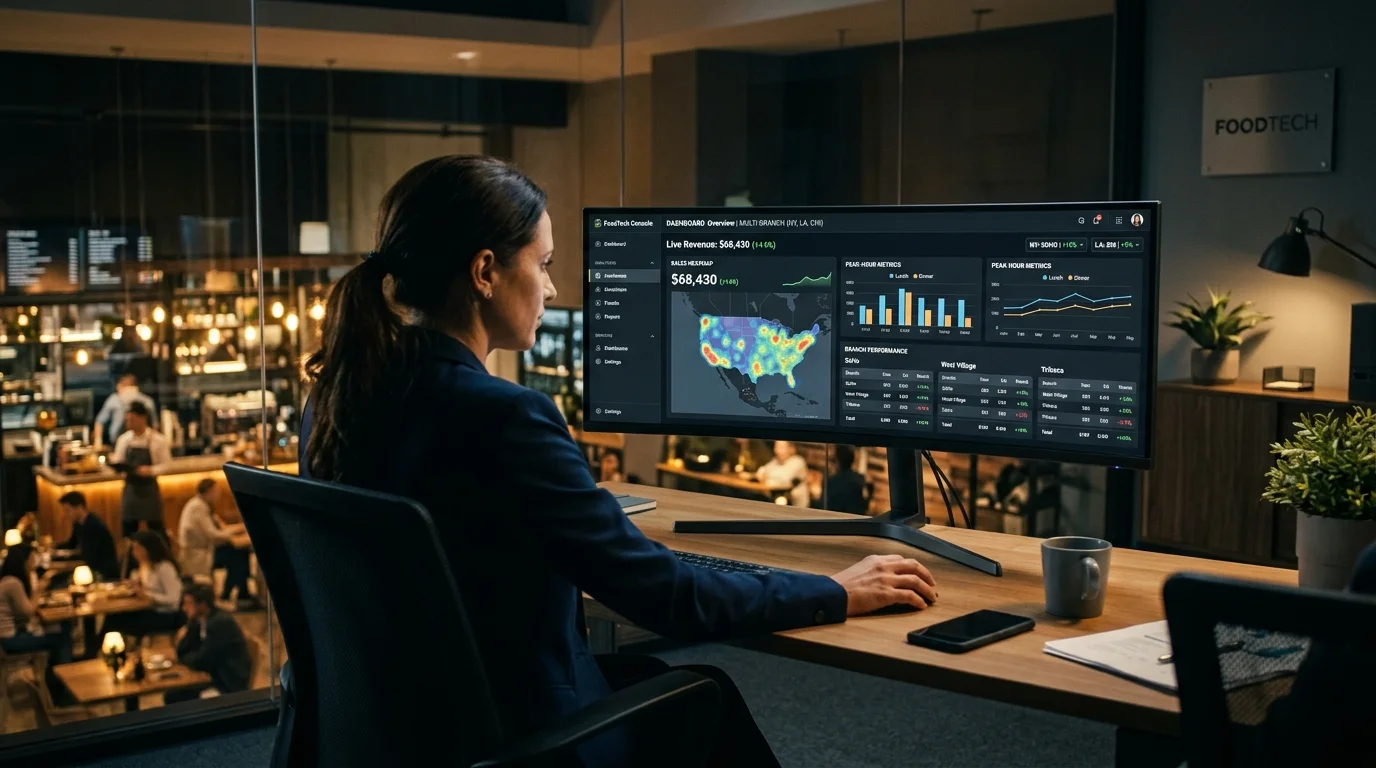
FoodTech BI
Sales can rise while margin falls. A busier branch can consume more cash.
More details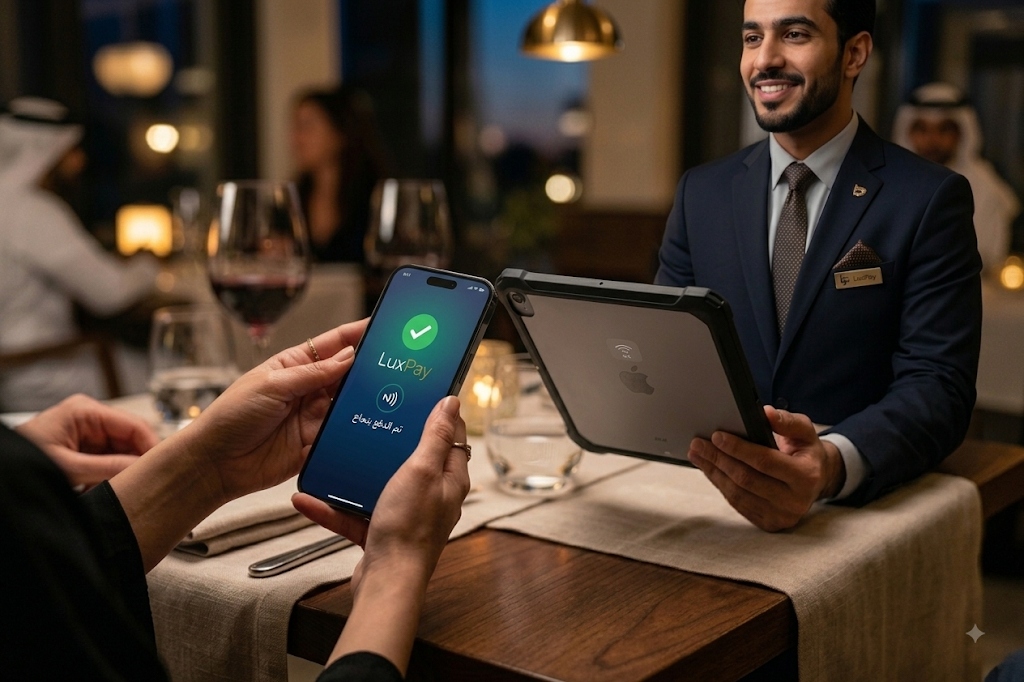
LuxPay
Order, amount, payment, confirmation, and settlement should remain one traceable movement.
More detailsThe operating question
How much of today’s peak is spent taking orders instead of preparing what customers already want?
FoodTech
Every step moved into self-ordering and digital payment gives operational time back to execution. FoodTech keeps ordering, preparation, pickup, and inventory in one flow.
Cafeterias
Make the rush a selling window, not a waiting window.
Start with self-ordering and connected execution, then expand into inventory, intelligence, and LuxPay as the operation is ready.