
Grocery & neighborhood stores
An empty shelf reveals a decision that was late before the customer arrived.
Every barcode scan adds evidence about movement and replenishment need.

Operating reality
The challenge is not SKU count. It is identifying the few items that create tomorrow’s shortage.
How the capability works
FoodTech connects sales movement with inventory, purchasing, and supplier context.
The decision shift
An empty shelf is not only an inventory problem. It is a lost sale with no receipt.What the customer could not buy leaves no transaction to tell you it was lost. The system becomes valuable when it makes incomplete demand visible before it becomes a shopping habit somewhere else.
Operating signals
Do not show more numbers. Surface what deserves a decision.
Velocity
See what is moving now instead of relying on a monthly average.
Item margin
Read current purchase cost alongside selling price, not revenue alone.
Stockout risk
Combine balance, movement, and lead time to surface likely shortages.
Promotion impact
Separate basket growth from simple discount substitution.
Supplier reliability
Make price, lead time, and fulfillment part of replenishment decisions.
Basket behavior
Learn which items start a trip and which complete it.
Grocery & neighborhood stores
What should materially improve in this business.
Let the shelf signal risk before the next stocktake
Drive purchasing from velocity rather than staff memory
Surface supplier cost changes before they consume margin
Measure promotions by basket and profit impact
Promise digital orders against real branch availability
Build repeat-customer context from actual shopping behavior
Order moment
Desire starts when the store understands why the customer came.
A customer searches for an essential item and sees sellable branch availability rather than an old balance.
A favorite item is unavailable and a useful substitute appears without blocking the requested result.
A weekly basket repeats and becomes an understandable pattern rather than another anonymous transaction.
A supplier changes cost and the pricing decision sees the impact before margin disappears.
Related products
Products are arranged around business economics, not a feature checklist.
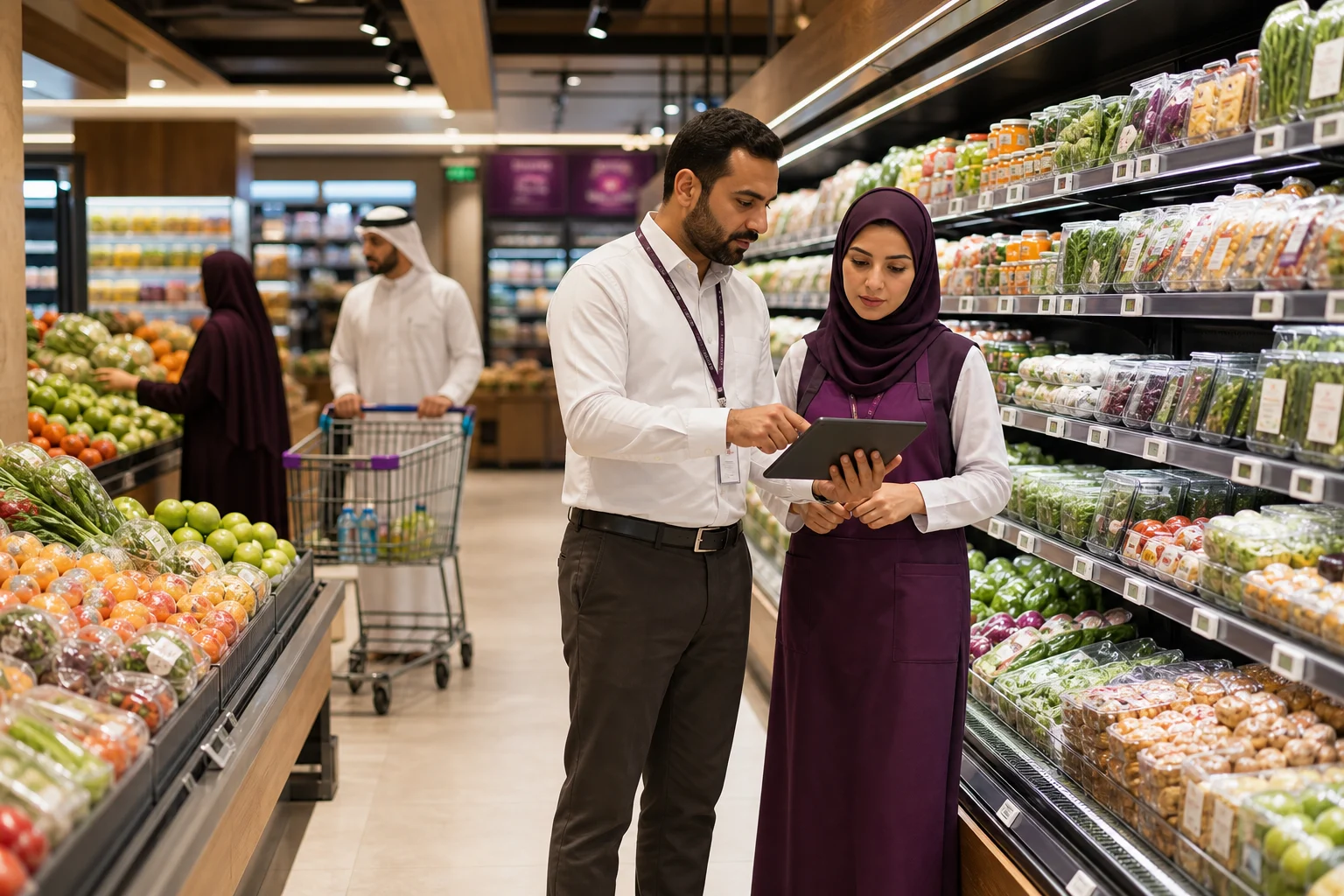
Smart Catalog
Classification, description, and availability define the customer’s field of choice.
More details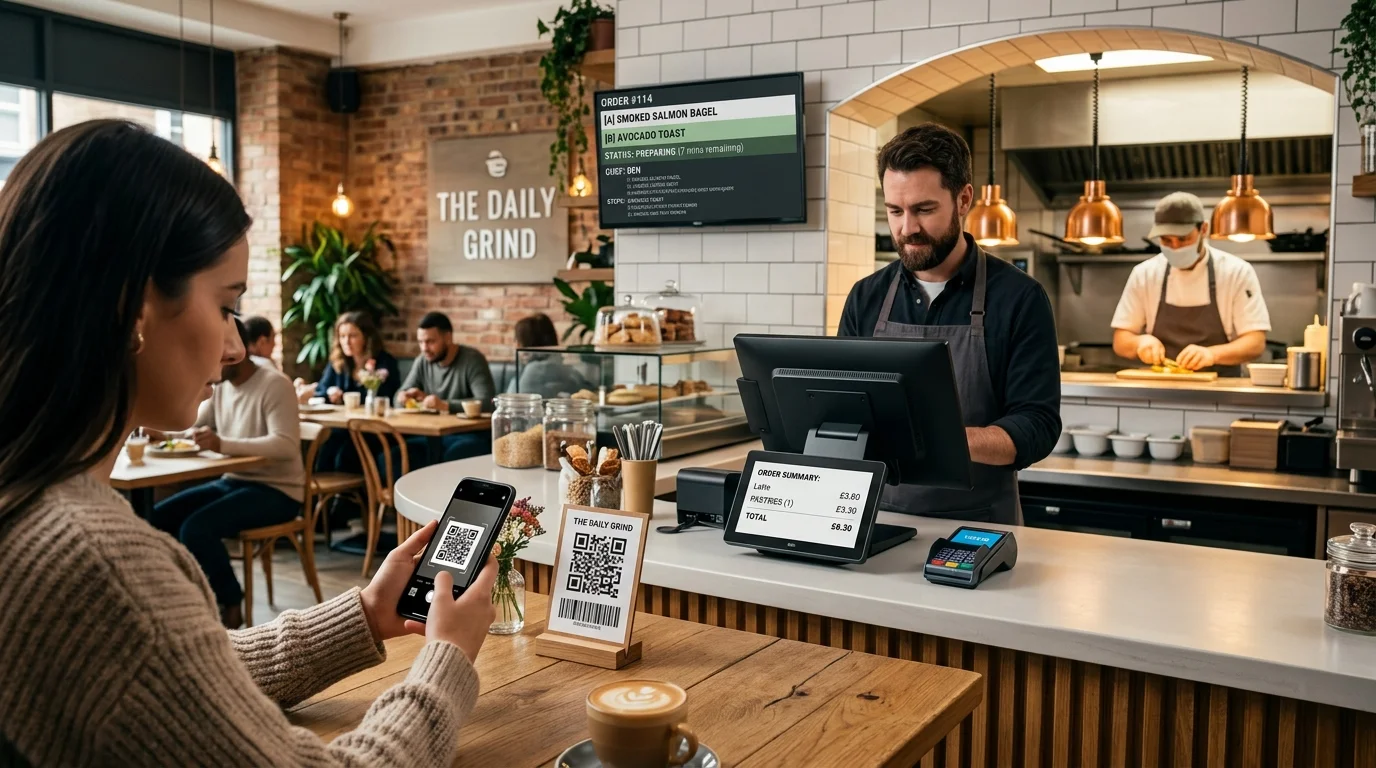
FoodTech POS
Before the total appears, an order has moved ingredients, staff time, customer context, and payment.
More details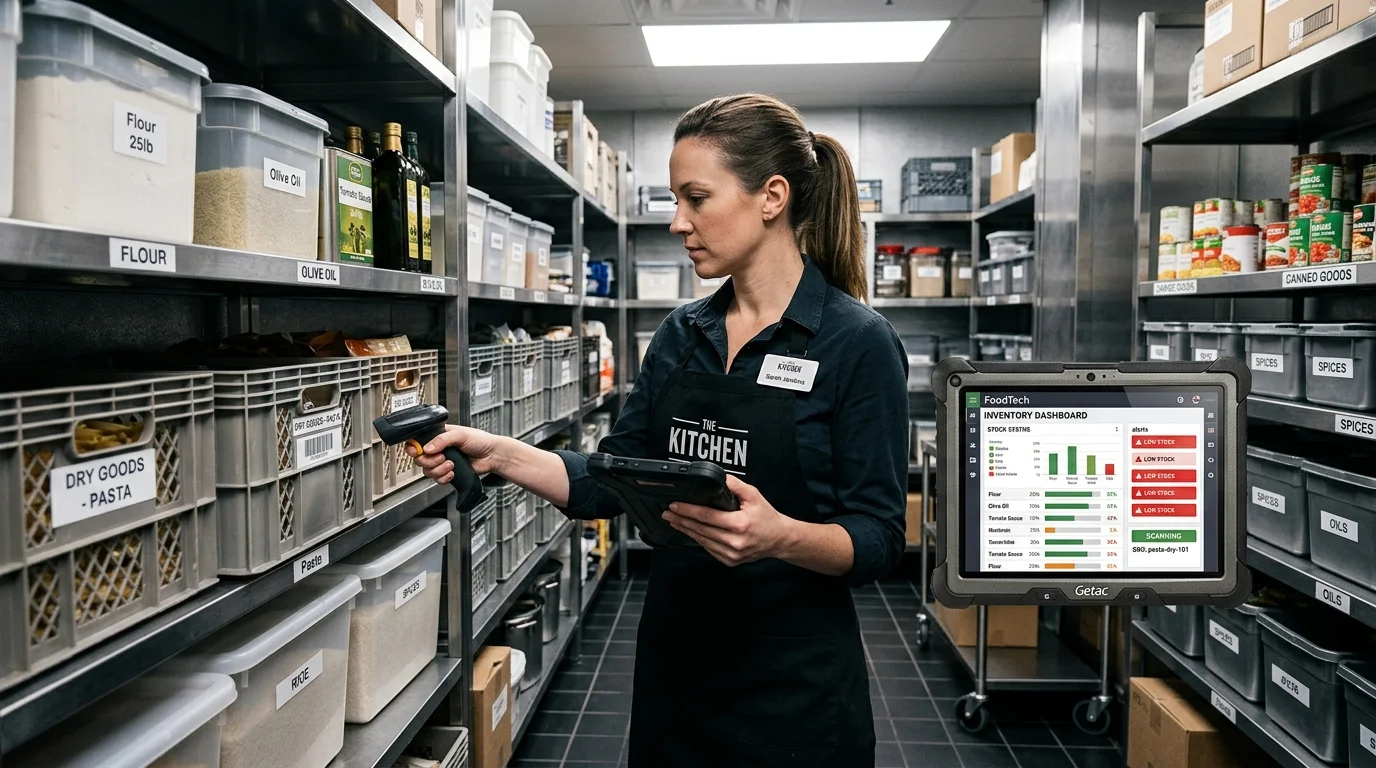
Inventory
Ingredients begin as cash leaving the business. They return through preparation and sale—or remain in waste and variance.
More details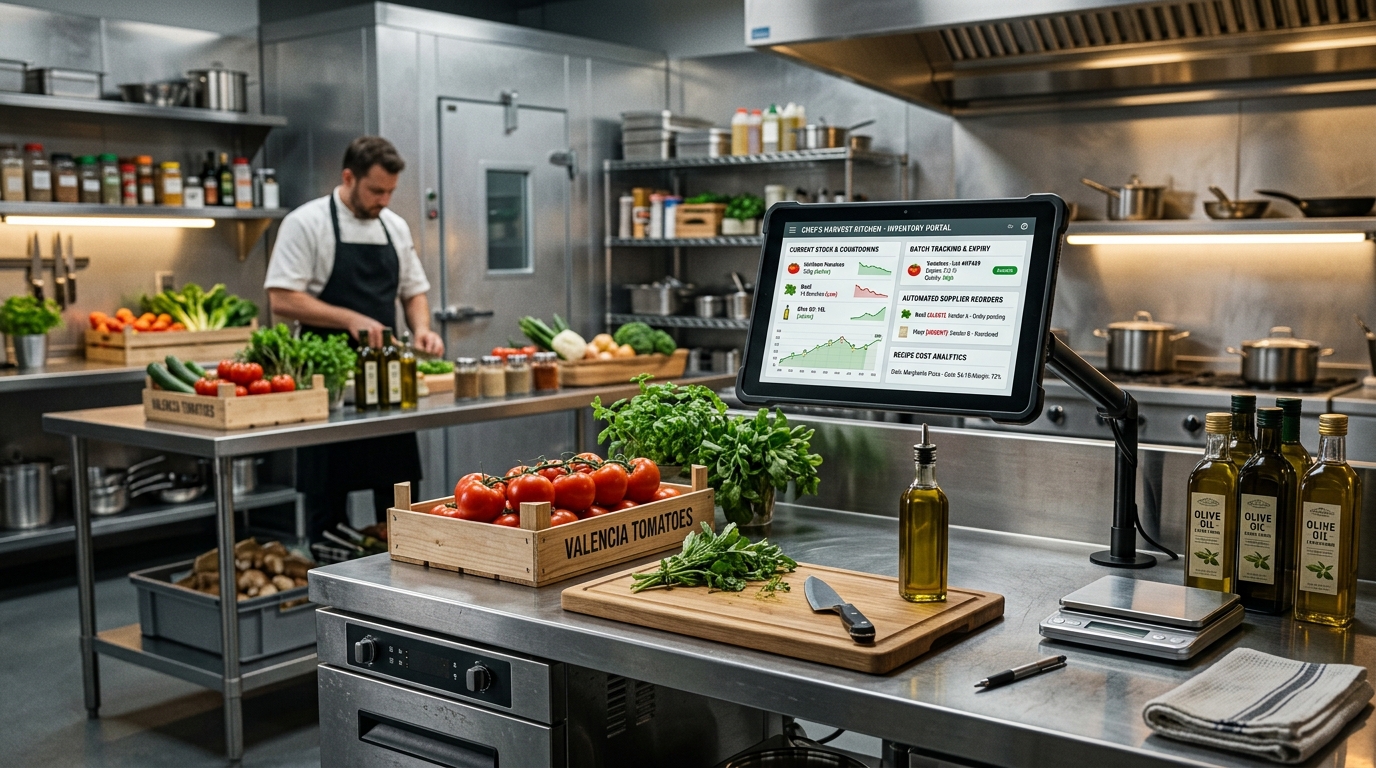
Purchasing
Price, quantity, timing, supplier, and expected use shape product margin before the first sale.
More details
FoodTech HR
Shift, responsibility, branch, and permission determine what a person needs at work.
More details
FoodTech Nexora
Table, home, car, kiosk, or counter: Nexora turns each starting point into an order reaching the same operation.
More detailsThe operating question
How often has the system said an item exists while the shelf in front of the customer was empty?
FoodTech
The gap between theoretical stock and sellable availability is where sales disappear without receipts. FoodTech connects sales movement, balance, and replenishment so that gap becomes visible and actionable.
Grocery & neighborhood stores
Make every sale improve the next purchasing decision.
Start with item movement, stock, and suppliers, then connect promotions, customers, and channels so the store responds faster with less dependence on guesswork.