
Hypermarkets
Scale hides variance unless it is seen where it begins.
Tens of thousands of SKUs, departments, suppliers, promotions, warehouses, and branches do more than multiply sales; they multiply the cost of a late decision. FoodTech connects item, shelf, basket, supplier, warehouse, and branch so the big picture remains explainable from its roots.
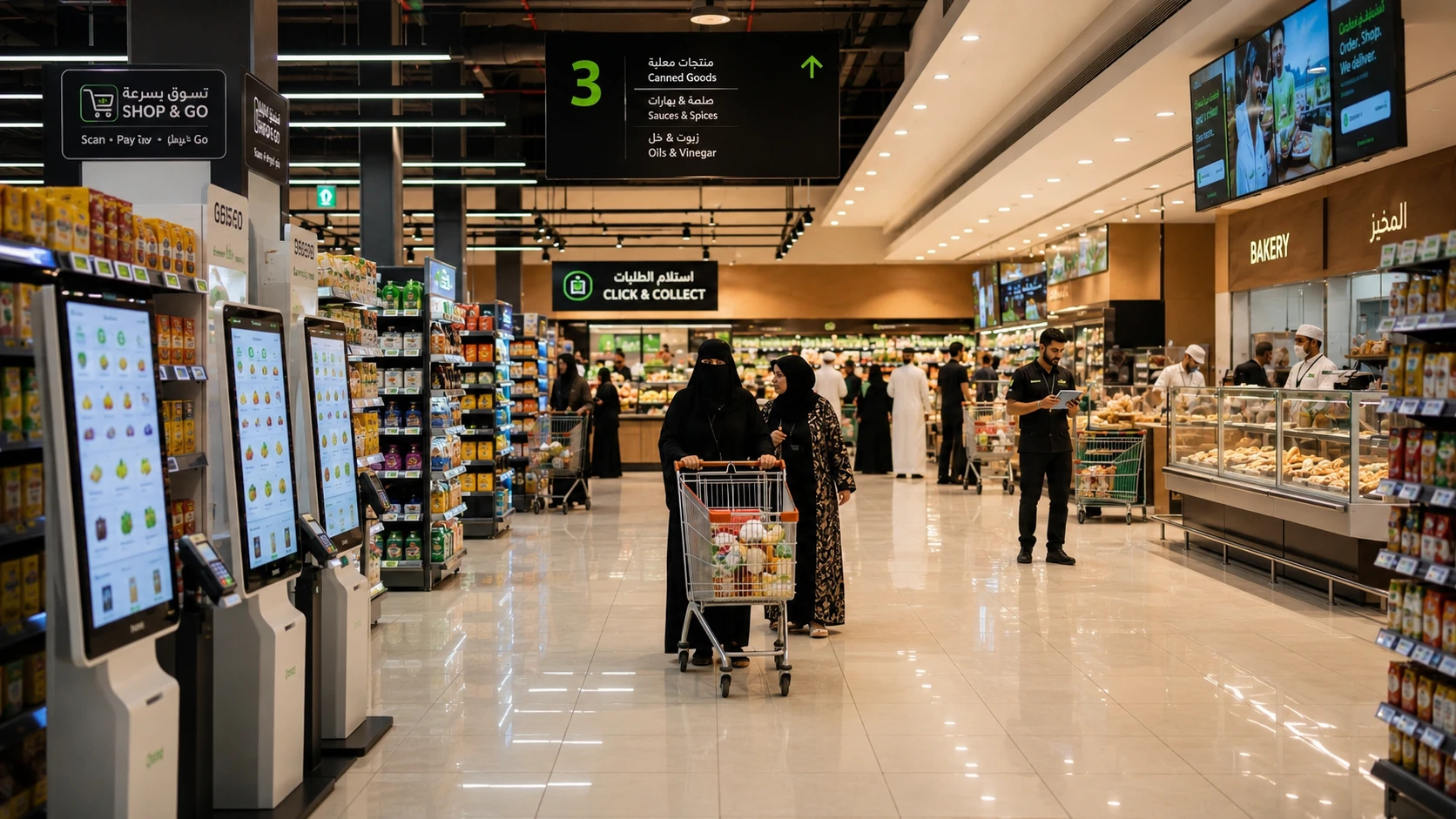
Operating reality
The chain average can look healthy while one department bleeds margin, a campaign shifts demand instead of creating it, a supplier inflates inventory days, and a branch carries an assortment that does not fit its local demand. Leadership needs to see variance where it starts before totals hide it.
How the capability works
FoodTech connects category economics with item movement, supply, inventory, promotions, and branch reality, then presents each signal at the operating level that owns it: category, purchasing, warehouse, or branch under central governance.
The decision shift
Averages are excellent at hiding where leakage began.Chain-wide sales growth does not tell you which category created it, which department consumed working capital, which promotion ate margin, or which supplier left shelves full while the warehouse became too heavy.
Operating signals
Do not show more numbers. Surface what deserves a decision.
Category economics
Read sales, margin, turns, and inventory together for each department and category.
Inventory capital
Separate healthy availability from stock that traps cash without enough movement.
Supplier performance
Connect price with lead time, reliability, and real fill performance.
Campaign effect
Measure genuine incremental impact rather than units sold during a discount.
Branch assortment
Use local demand to explain what should stay, change, or disappear in each location.
Early variance
Put abnormal change in front of the authorized owner before month-end reporting.
Hypermarkets
What should materially improve in this business.
Keep department and category economics visible inside chain totals
Replenish from real demand and supplier lead time instead of rigid schedules
Read promotions through incremental basket, margin, and inventory impact
Measure suppliers through price, reliability, availability, and tied-up capital
Let branches carry locally relevant assortments without losing governance
Surface variance at item or department level before it becomes chain-wide
Order moment
Desire starts when the store understands why the customer came.
A customer searches for an item and the store knows which branch and shelf has sellable availability.
A size or brand is unavailable and a substitute close to intent appears instead of a random recommendation.
A campaign starts and demand, stock, and replenishment move in one context instead of separate reports.
A city behaves differently and assortment can adapt without losing enterprise comparison.
Related products
Products are arranged around business economics, not a feature checklist.
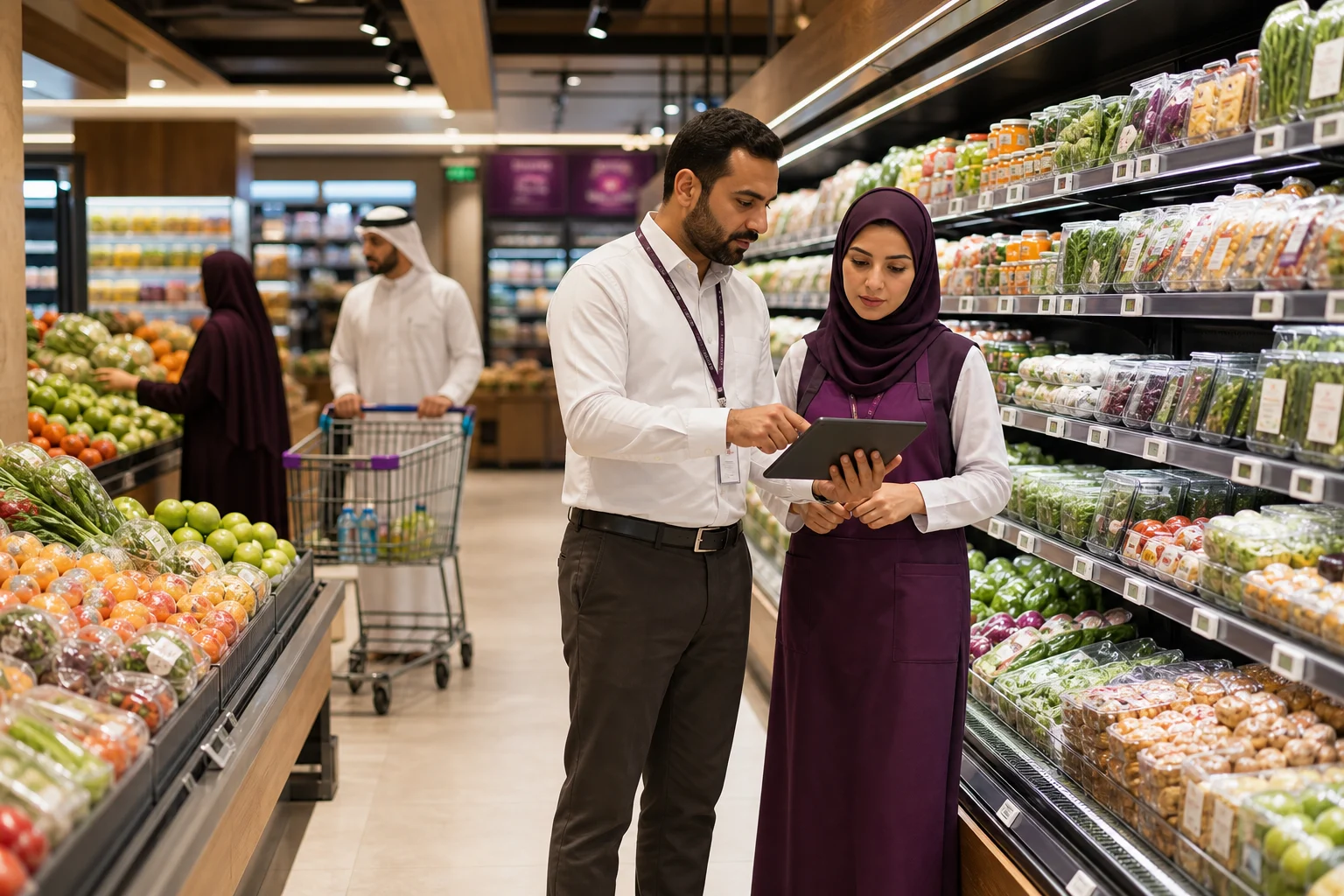
Smart Catalog
Classification, description, and availability define the customer’s field of choice.
More details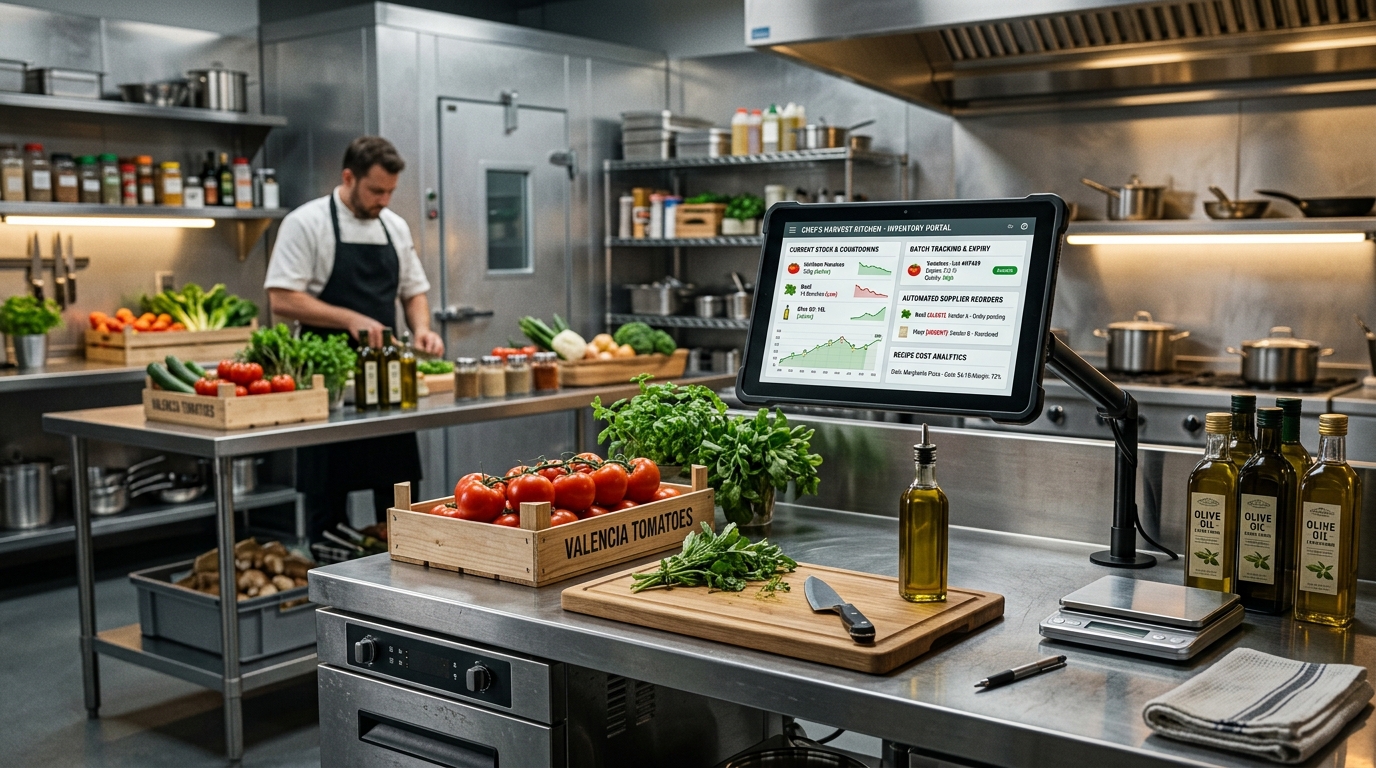
Purchasing
Price, quantity, timing, supplier, and expected use shape product margin before the first sale.
More details
FoodTech HR
Shift, responsibility, branch, and permission determine what a person needs at work.
More details
FoodTech BI
Sales can rise while margin falls. A busier branch can consume more cash.
More details
FoodTech Automation
Some signals need an action. Others need approval, an owner, or an exception path.
More details
FoodTech Nexora
Table, home, car, kiosk, or counter: Nexora turns each starting point into an order reaching the same operation.
More detailsThe operating question
Do you know which 1% of SKUs are consuming working capital today without creating enough growth to justify their shelf space?
FoodTech
Sales alone cannot answer that. Margin, turns, inventory, supplier, campaign, and branch context have to meet before assortment and replenishment become economic decisions rather than impressions.
Hypermarkets
Turn scale from a control burden into an advantage smaller retailers cannot easily copy.
When item, shelf, basket, supplier, and branch context are connected, scale becomes a source of learning and faster decisions instead of another layer of noise.