
Industries
Business type changes what the system needs to understand.
Explore how FoodTech is configured for restaurants, cafés, bakeries, cloud kitchens, retail, hospitality, and multi-branch operations.
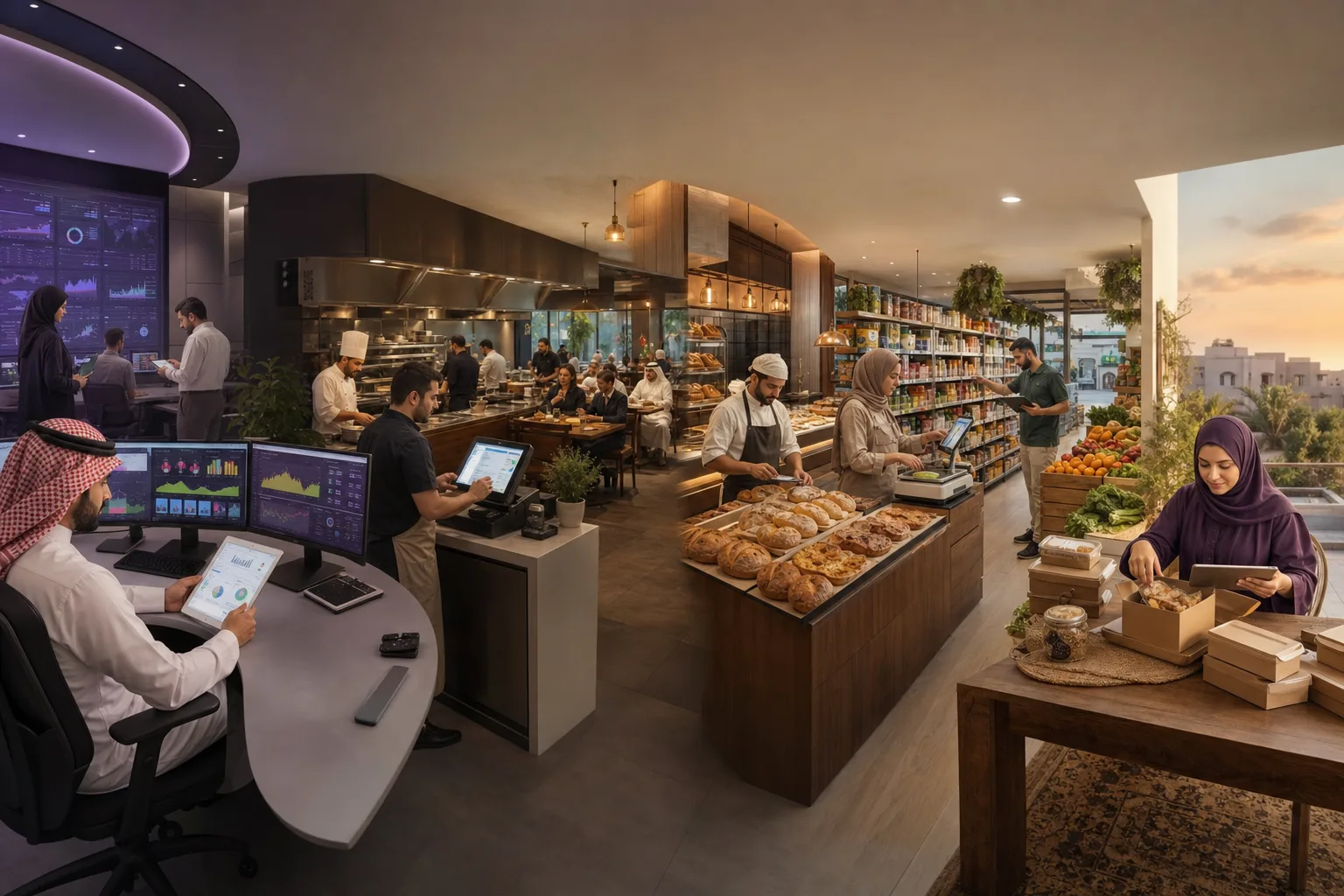

Multi-city and multi-branch brands
Supply, price, peak, and customer behavior change while the menu may stay the same.
- One identity without blind replication
- Local market context enters the decision
- Comparison respects city differences
Enterprises and multi-branch operations
Identity needs shared policy. A branch needs room for local cost and demand.
- Central policy without suffocating the branch
- Fair comparison across different contexts
- Move learning between branches
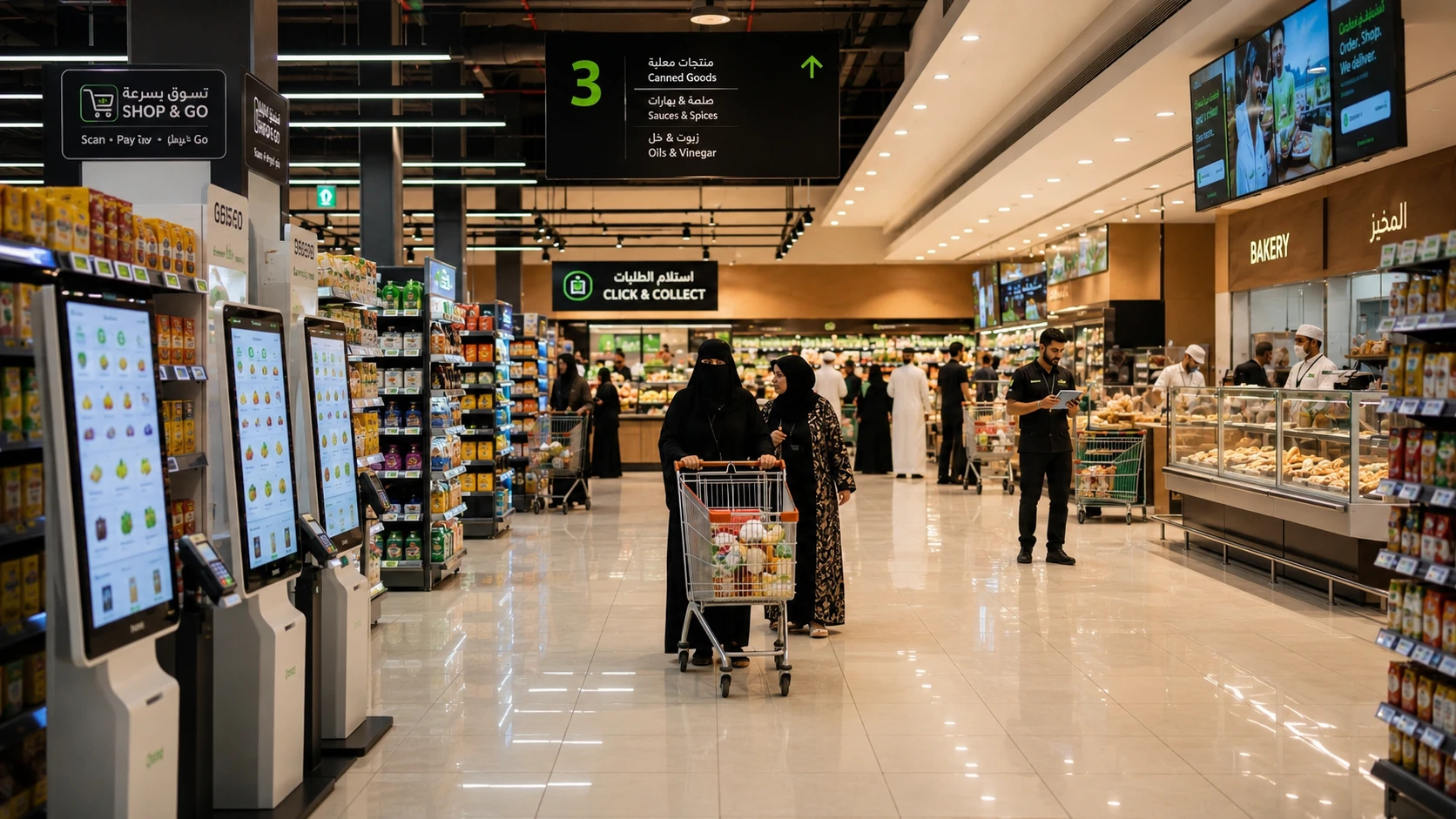
Hypermarkets
Tens of thousands of SKUs, departments, suppliers, promotions, warehouses, and branches do more than multiply sales; they multiply the cost of a late decision. FoodTech connects item, shelf, basket, supplier, warehouse, and branch so the big picture remains explainable from its roots.
- Keep department and category economics visible inside chain totals
- Replenish from real demand and supplier lead time instead of rigid schedules
- Read promotions through incremental basket, margin, and inventory impact
Supermarkets
Every basket carries information about what moves together, what disappears faster, and what should arrive before the next demand cycle.
- Let baskets inform purchasing
- Turn stockouts from surprises into signals
- Read promotions through real impact
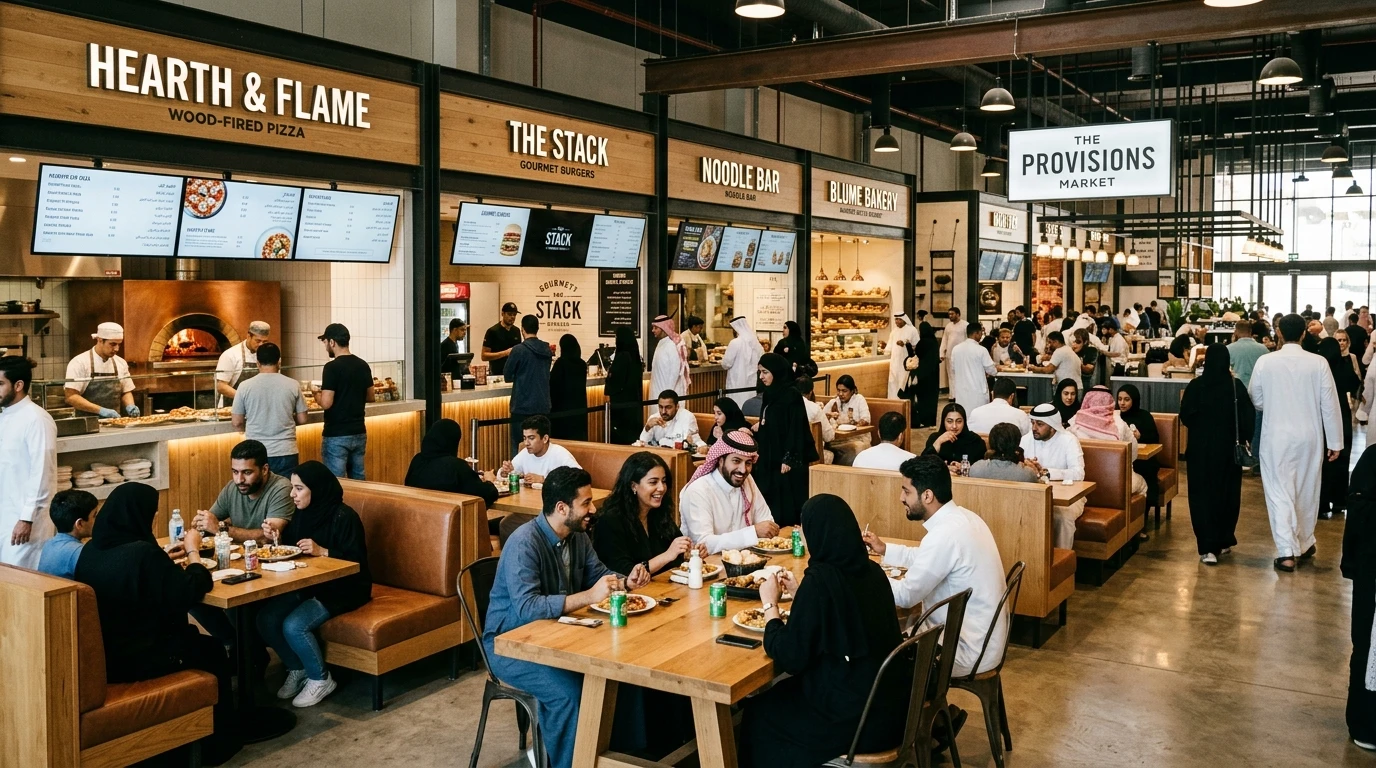
Food halls and entertainment venues
Guests want to choose across vendors as one experience, while every operator needs independent financial and operating control.
- One journey for the guest
- Clear independence for each brand
- Payment and pickup without confusion
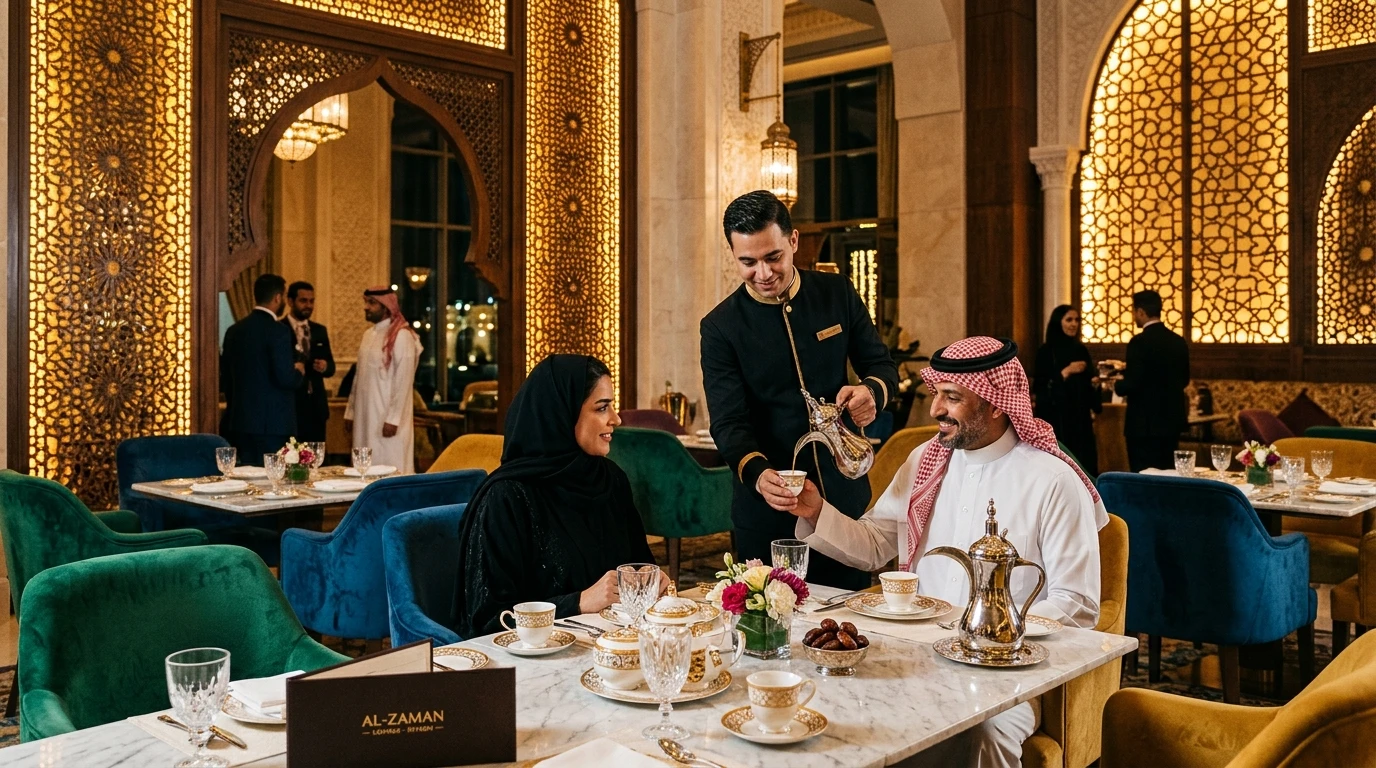
Hotels and hospitality
From room to restaurant, order to payment, guest context should travel quietly. The goal is not another screen in the hotel; it is removing the boundaries the guest feels between departments.
- Guests do not redefine themselves in every department
- Service context travels across the property
- Orders and payments retain journey context
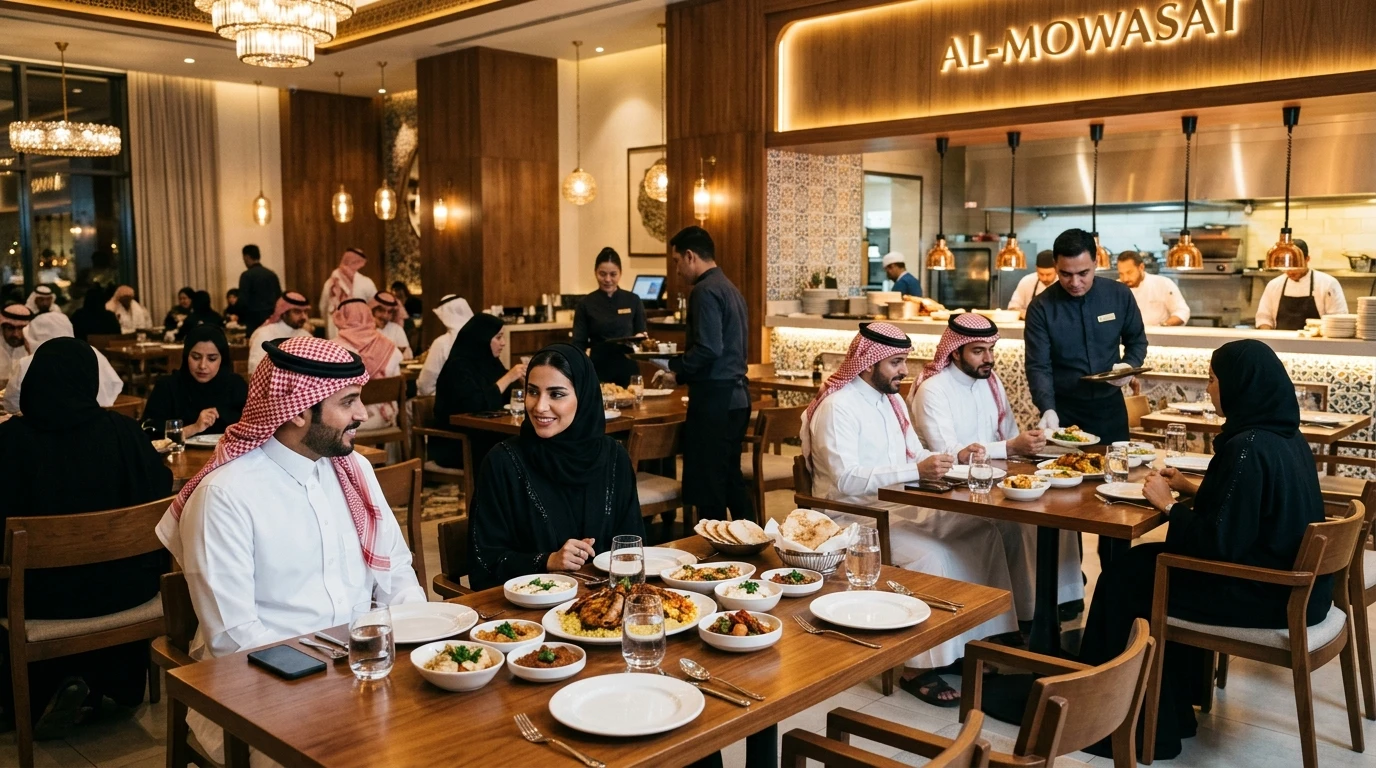
Restaurants
It moves table, kitchen, material, payment, and customer context at once.
- Orders become operating context, not only receipts
- Kitchen priority appears before delay becomes visible
- Inventory follows real movement instead of late counts
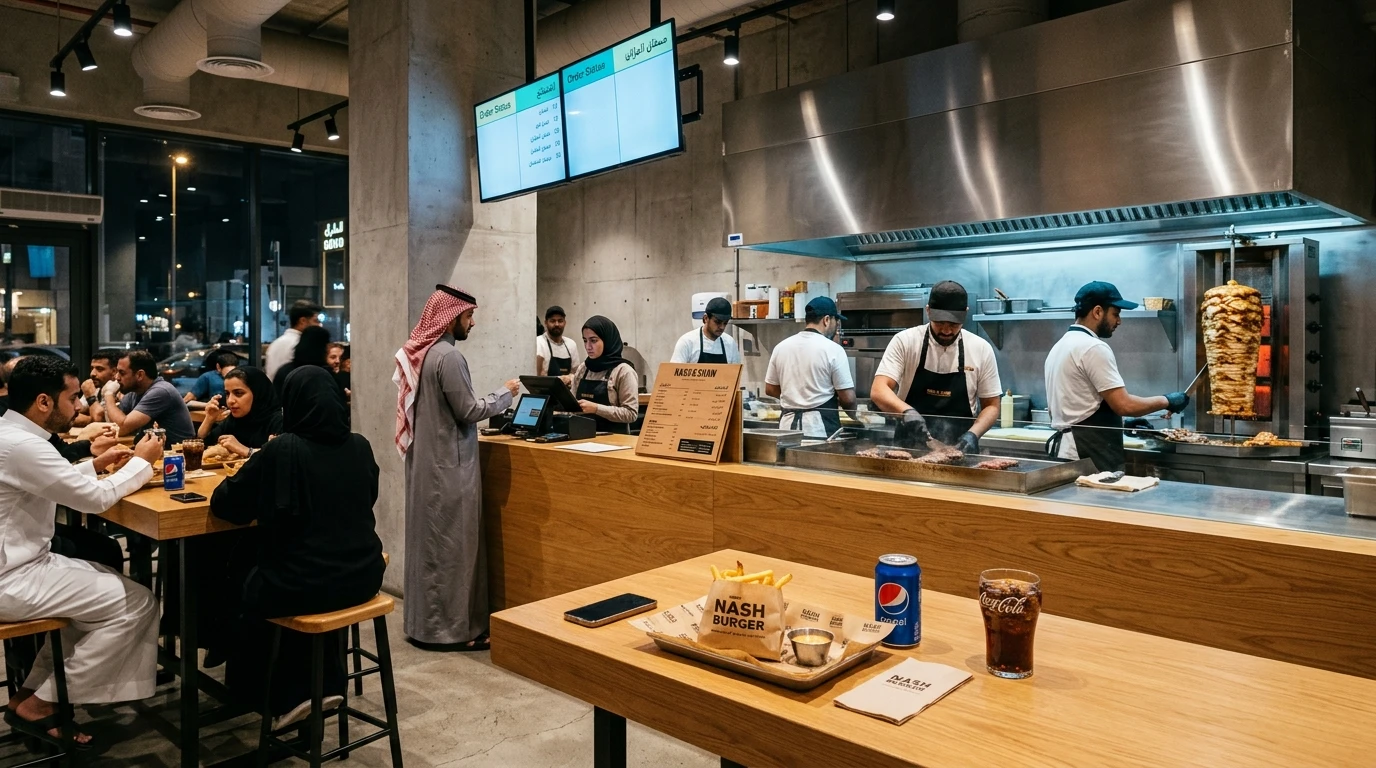
Quick-service restaurants
Speed is a relationship between order entry, kitchen capacity, and pickup.
- Prevent congestion before guests feel it
- Unify flow without flattening channel experience
- Route execution by live capacity
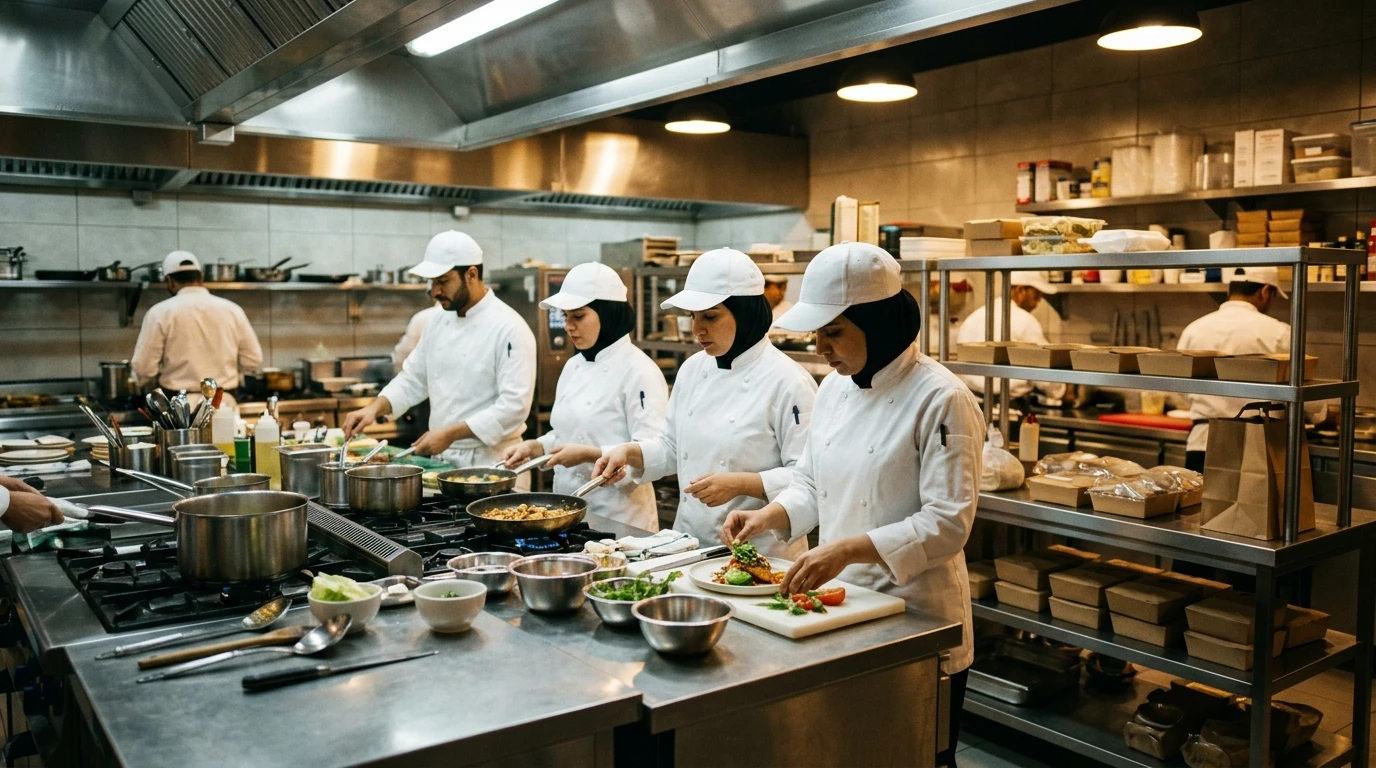
Cloud kitchens
Each channel and brand adds demand to the same stations.
- Route demand by capacity
- Separate brand identity from execution complexity
- Share material and station visibility

Retail stores
Search, classification, and availability define what customers can choose.
- Do not restart every visit
- Connect catalog to real availability
- Let purchases add relationship context
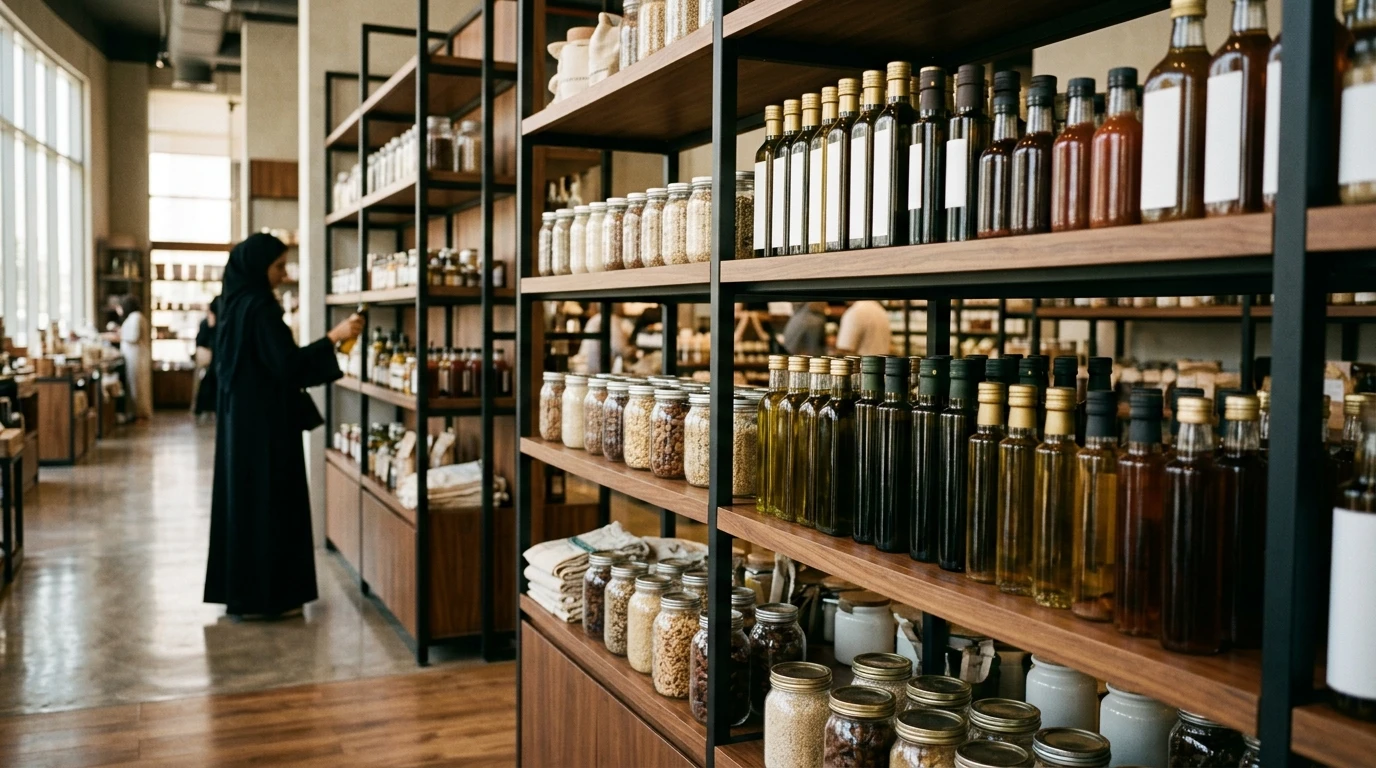
Grocery & neighborhood stores
Every barcode scan adds evidence about movement and replenishment need.
- Let the shelf signal risk before the next stocktake
- Drive purchasing from velocity rather than staff memory
- Surface supplier cost changes before they consume margin
Honey, nuts & natural product stores
Origin, variety, grade, lot, freshness, weight, and packaging are part of the product’s value. The same is true for dates, spices, oils, and natural foods. FoodTech makes that knowledge part of catalog, inventory, sale, and customer context rather than information held by one experienced employee.
- Track source, lot, and grade instead of a generic item name
- Sell by weight or pack with clear cost and margin for each form
- Manage freshness, age, and relevant dates by product nature
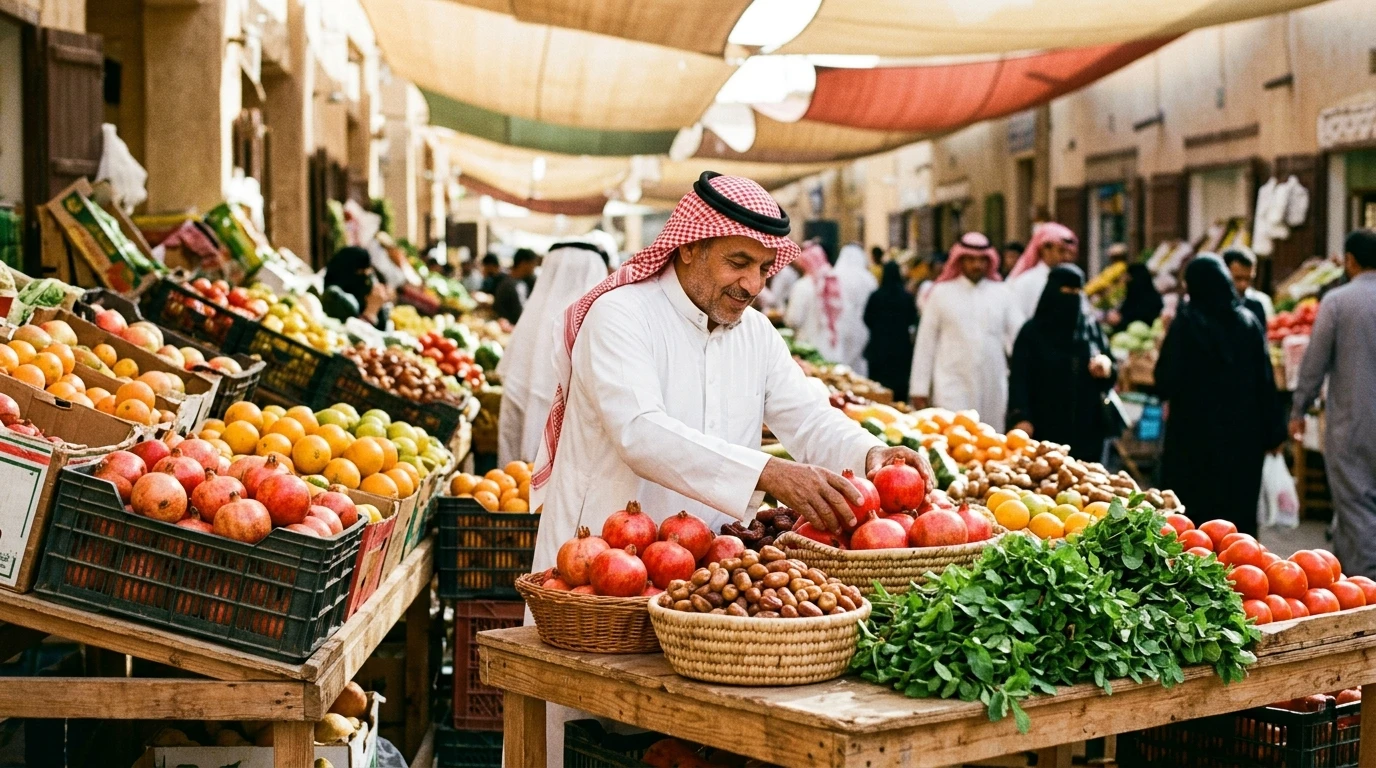
Fresh produce markets
Fresh products do not live on static pricing or slow inventory cycles. Value changes with time, batch, weight, and demand, and operations should change with it.
- Change price without breaking operations
- Keep batches traceable
- Treat weight as part of the product
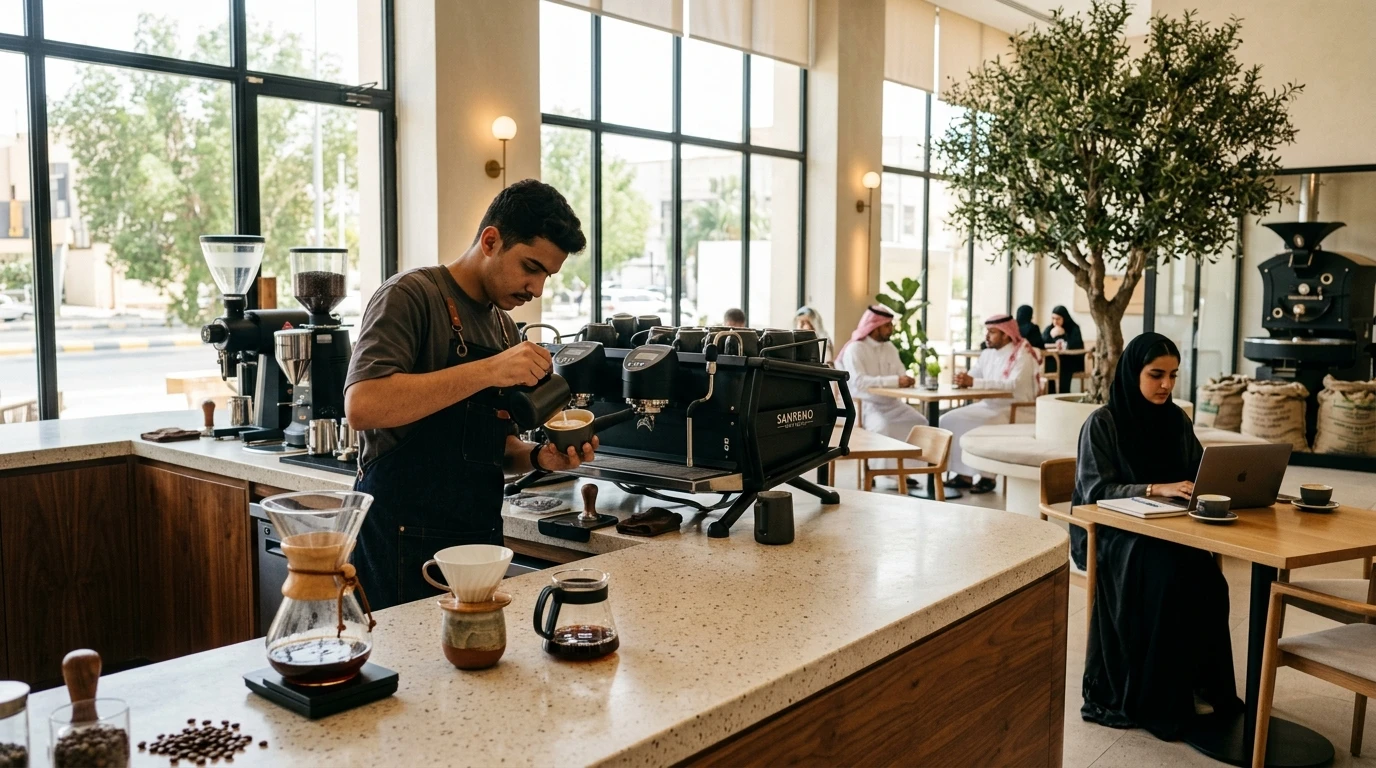
Cafes
Morning, peak time, and repeat customers each create a different operating rhythm.
- Understand return patterns beyond points
- Accelerate repeat customization
- Adapt operating rhythm to peaks
Cafeterias
Peak windows are short. Waiting, waste, and stockouts erode margin quickly. FoodTech connects menu, ordering, payment, preparation, and inventory so every minute of the rush becomes manageable.
- Start the order before the queue
- Manage peaks through time and capacity, not reaction
- Show what is actually available and hide stockouts
University & hospital dining
Lecture halls, floors, buildings, staff, students, visitors, and patients. FoodTech turns each QR point into a location-aware order entry, routes the order to the right kitchen and handoff point, and supports LuxPay payment when enabled.
- Give every hall or floor a QR that carries location context automatically
- Enable self-ordering for students, staff, and visitors without queues
- Support patient self-ordering within institution-approved menus and rules
Specialty coffee stores
Origin, farm, variety, process, roast, roast date, brew method, and grind are not marketing decoration; they are reasons to choose. FoodTech turns those details into a living catalog connected to lots, freshness, inventory, preferences, and repeat purchase.
- Make origin, variety, process, and roast part of product structure
- Keep roast date and lot connected to actual inventory
- Model weight, grind, and brew method as understandable choices
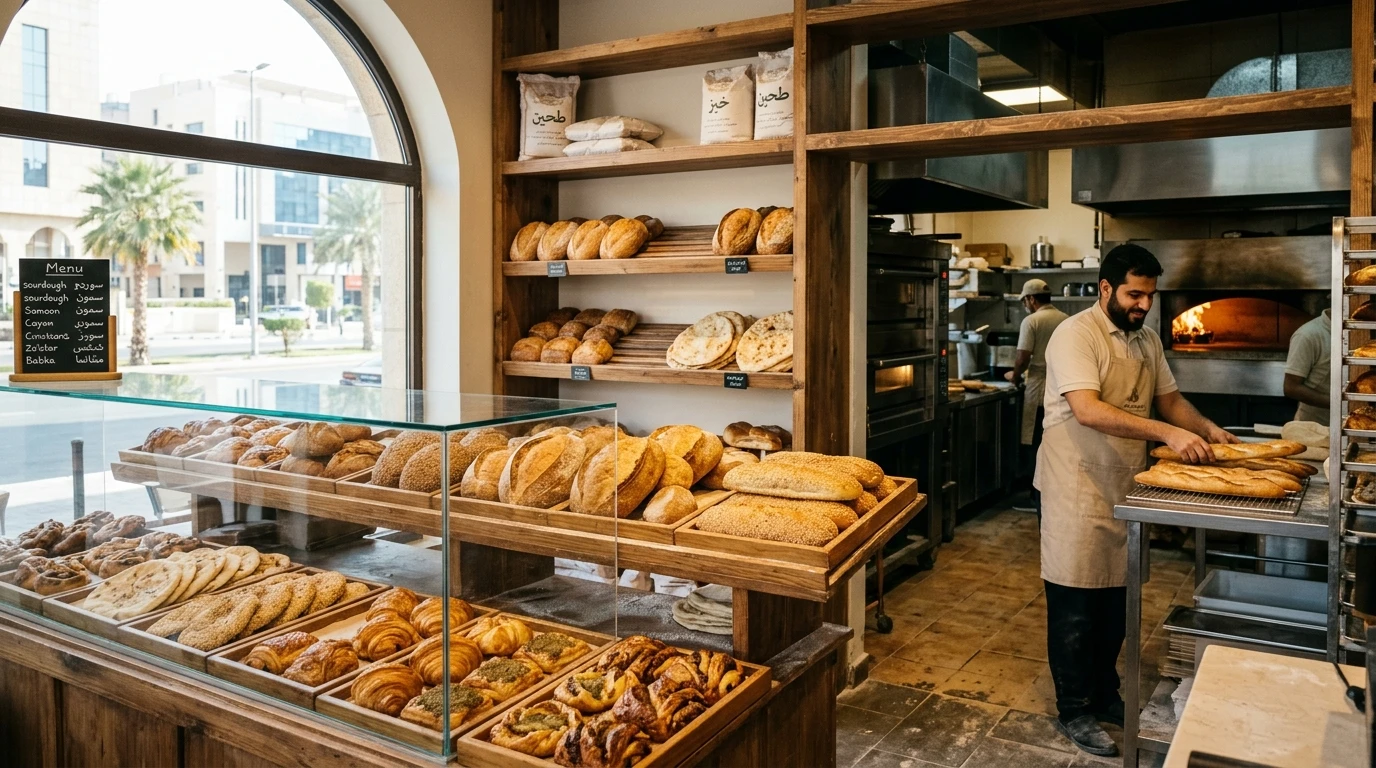
Bakeries
Between batch and shelf is a short window for quality and margin.
- Production follows demand signals
- Waste becomes actionable data
- Recipe, cost, and sale share context
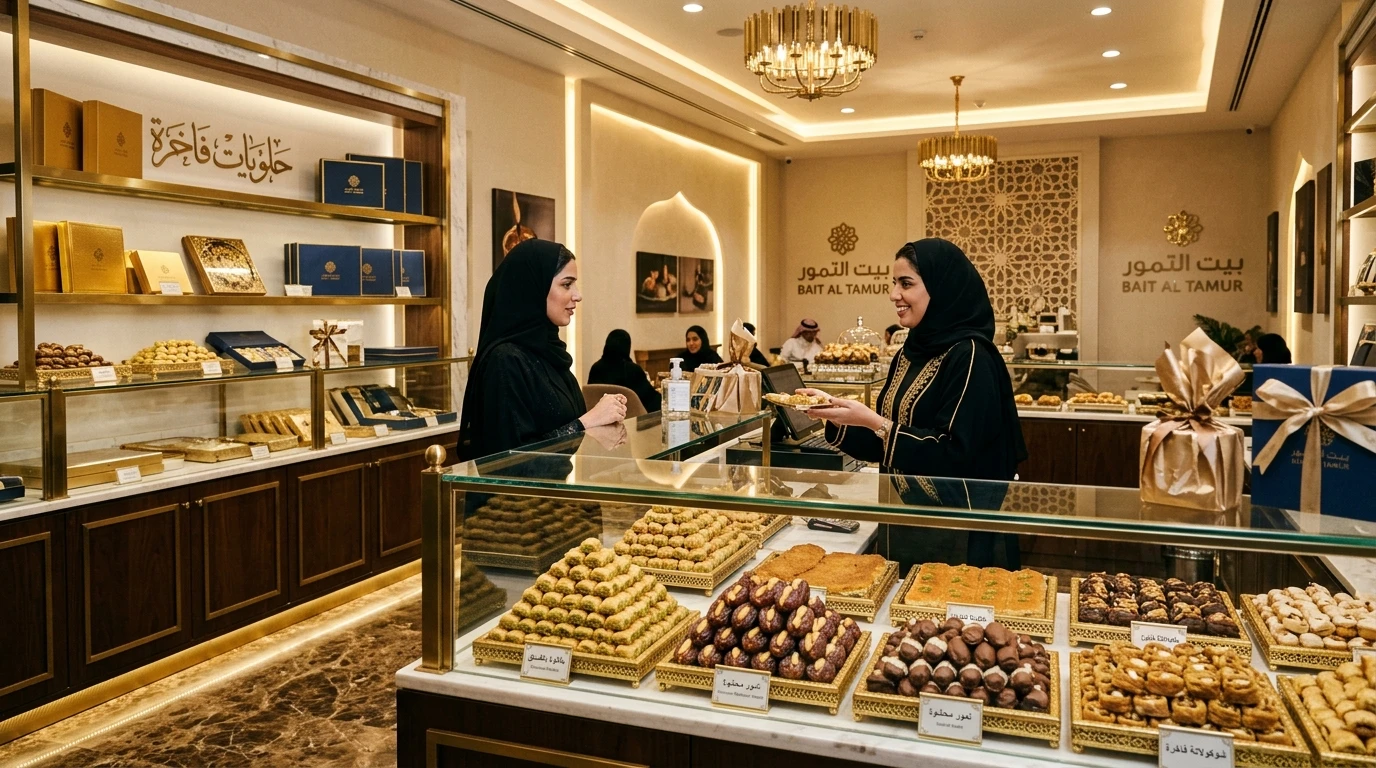
Dessert shops
Size, flavor, writing, packaging, and timing are not side details; they are the product. Structured customization can scale without losing precision.
- Customization becomes structure, not notes
- Price follows the choice automatically
- Preparation sees the exact product version
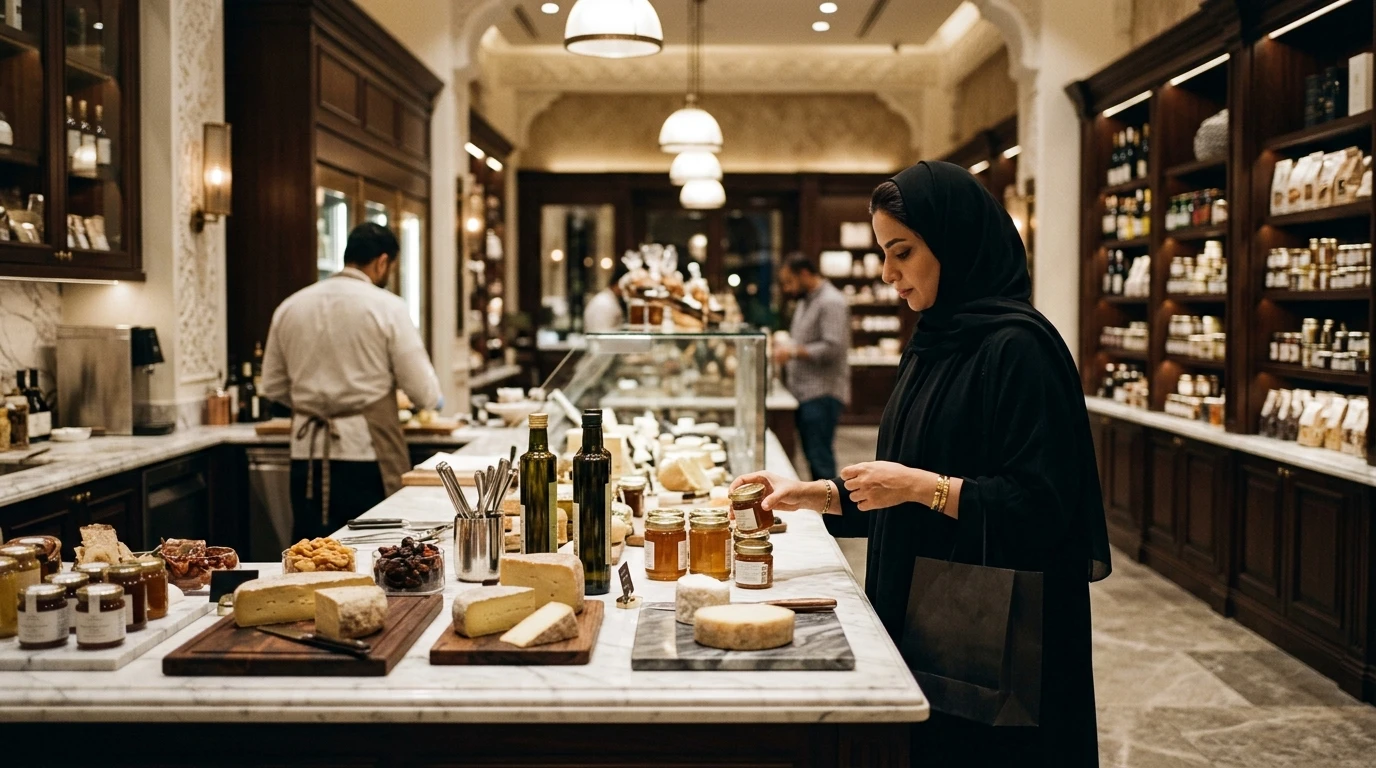
Specialty food stores
Ingredients, origin, allergens, use, and alternatives are not extra copy; they are part of why the product is chosen. Structured knowledge can explain without always requiring an expert nearby.
- Make knowledge part of the product
- Surface alternatives when they matter
- Keep availability connected to explanation
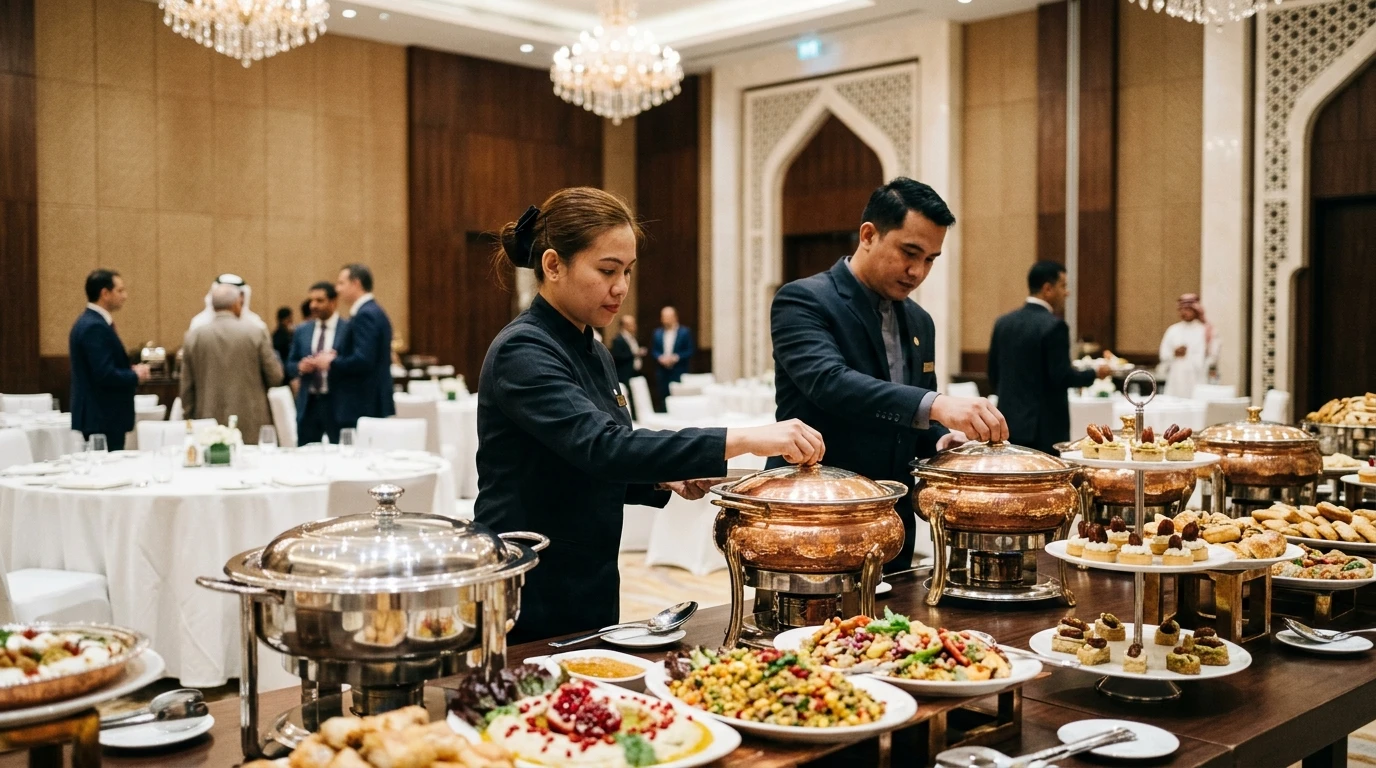
Catering and events
In catering, there is little time to recover during service. Quote, ingredients, labor, timing, and delivery should become a plan that can be read before execution day.
- Expose conflict before execution day
- Connect the quote to production and purchasing
- Keep time and capacity in one plan
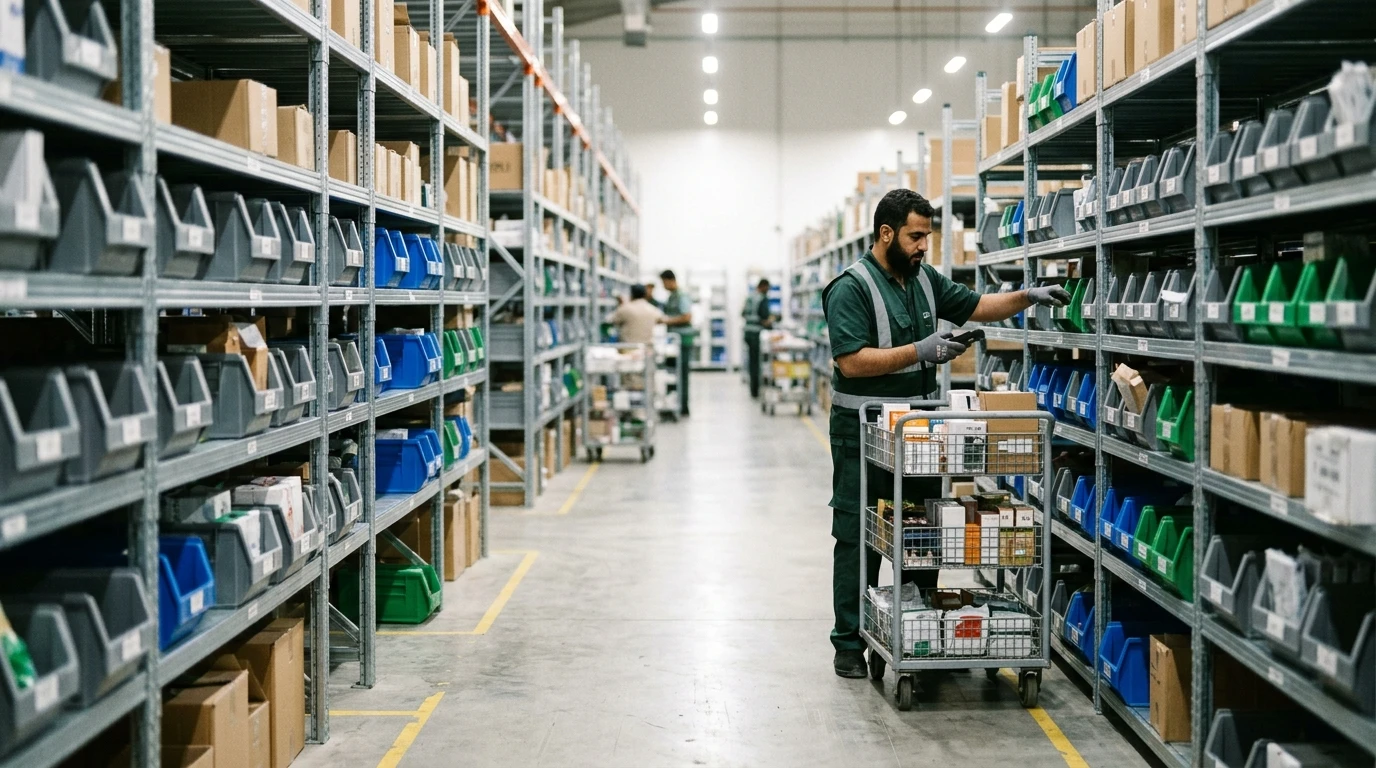
Dark stores and warehouses
The value is not storing more. It is placing the right item in the right location before demand arrives, then directing pick, pack, and dispatch with less movement.
- Place inventory according to demand
- Reduce movement through pick paths
- See capacity before accepting pressure
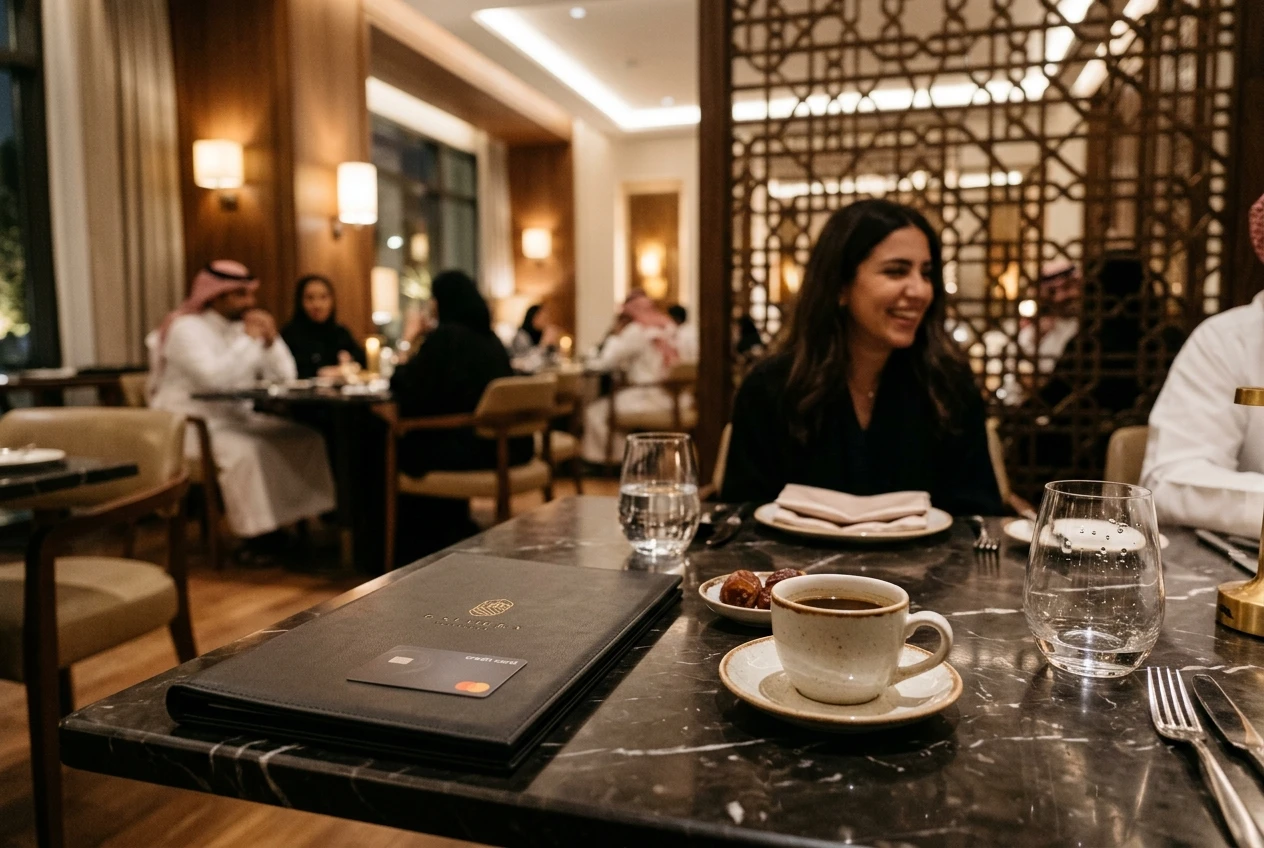
Fine dining
The best service is not the one with more screens. It is the one where the team knows enough at the right moment: table context, preferences, pacing, and relationship history.
- Guest context arrives before repeated questions
- Table pacing becomes part of operations
- Personalization does not depend on one person’s memory
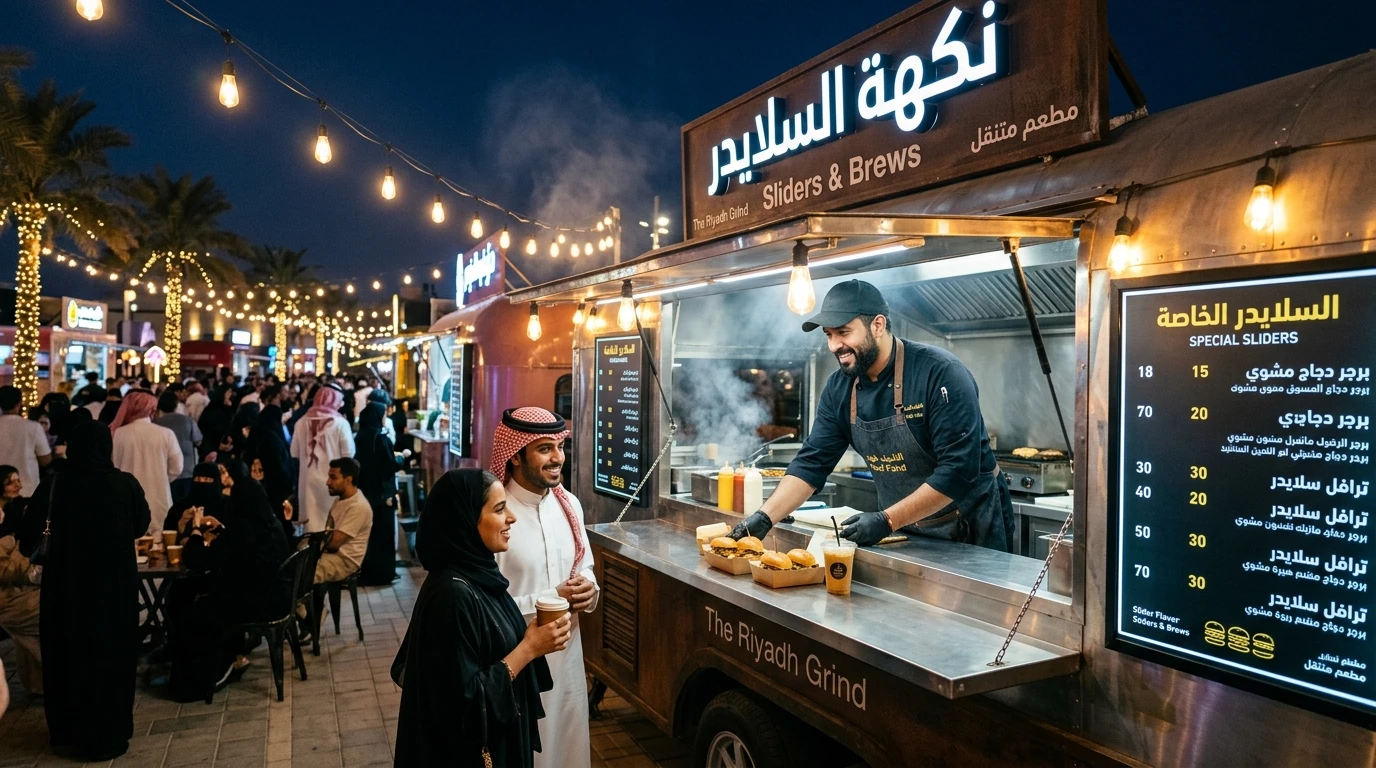
Food trucks
Location, demand, and connectivity can change while identity, inventory, payment, and operating context continue as if the branch were fixed.
- Keep operating through connectivity changes
- Make location part of sales context
- Move inventory with the truck
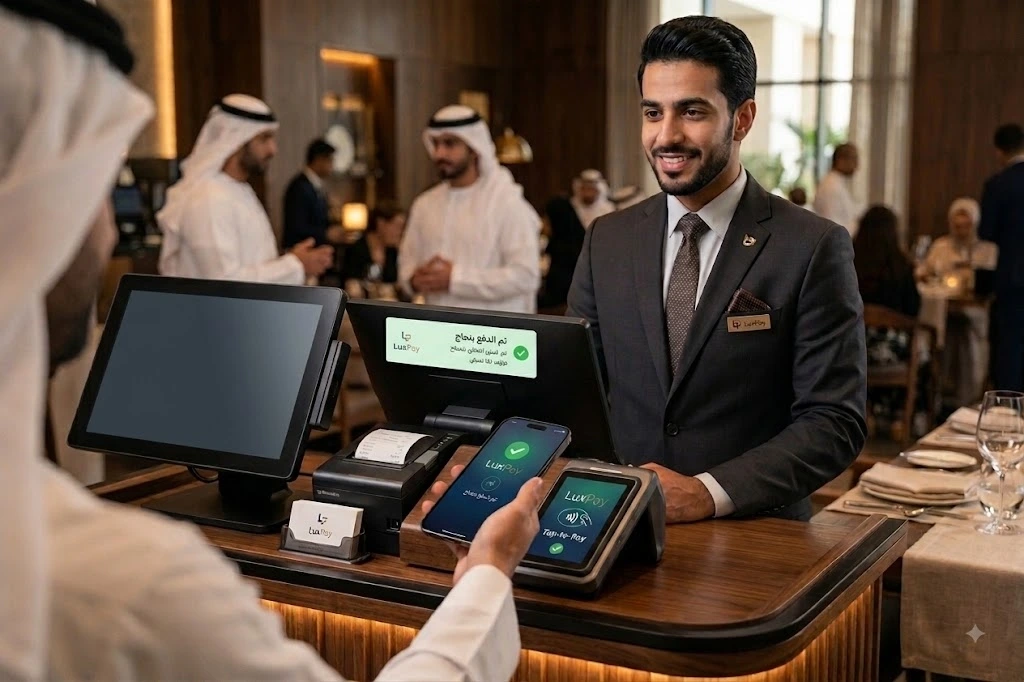
General point of sale
A transaction begins before payment and continues after it. Product, customer, inventory, employee, and accounting need the same truth without forcing every operation through one screen.
- POS is not the center of the operating universe
- Channels share the same truth
- Transactions stay lightweight