
Specialty coffee stores
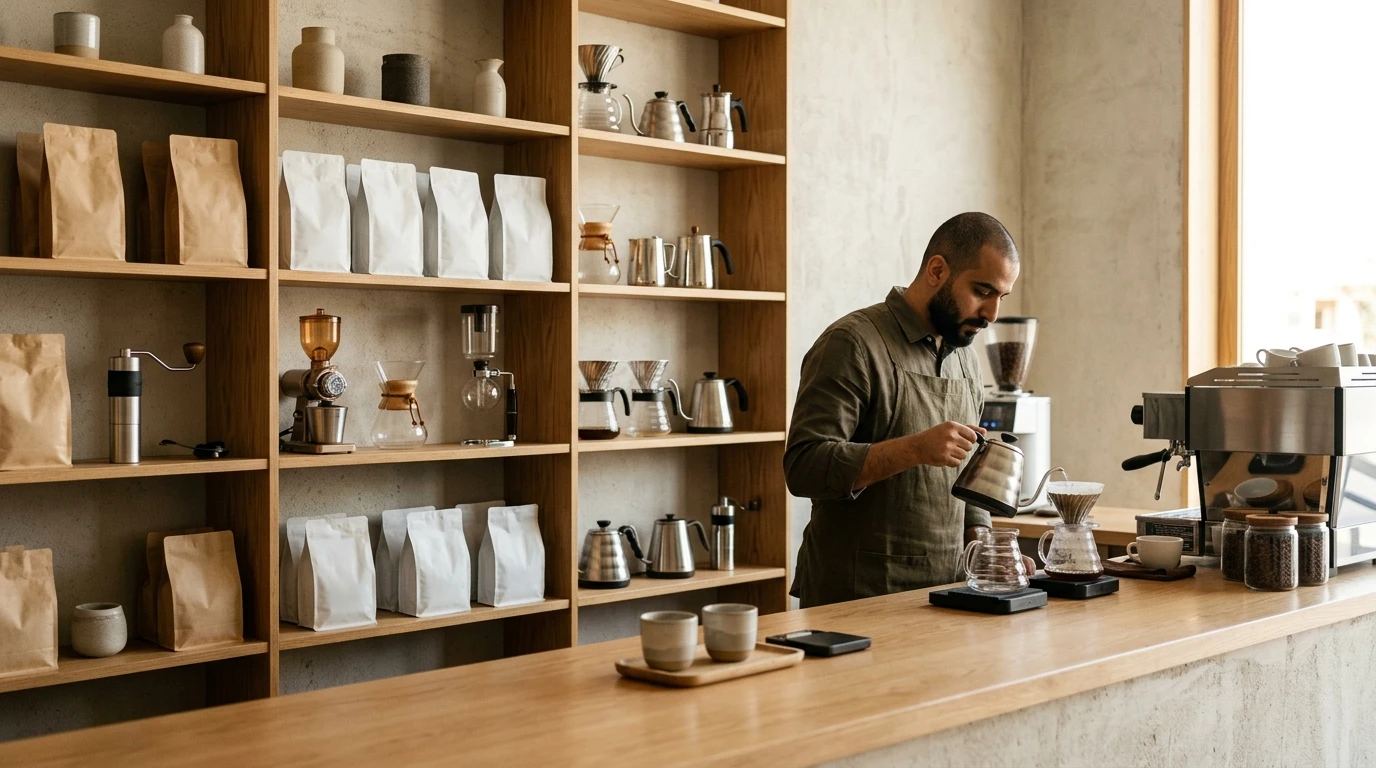
A specialty coffee store does not sell a bag of beans. It sells a taste that can become a monthly habit.
Origin, farm, variety, process, roast, roast date, brew method, and grind are not marketing decoration; they are reasons to choose. FoodTech turns those details into a living catalog connected to lots, freshness, inventory, preferences, and repeat purchase.
Operating reality
When the system reduces coffee to name, weight, and price, the expertise that justifies a specialty product disappears. Customers return because one barista or seller remembers them, not because the business itself learned their taste.
How the capability works
FoodTech connects crop identity, roast lot, freshness window, size and grind options with brewing method and customer history so recommendations become more relevant, repeat orders become easier, and beans can connect naturally with brewers, filters, and subscriptions.
The decision shift
The best recommendation is not “best seller.” It is what fits this customer’s brew method and what they enjoyed before.Specialty coffee carries richer product data than traditional retail. Preserving that context lets expertise reach ecommerce, new staff, and future branches without losing its character.
Operating signals
Do not show more numbers. Surface what deserves a decision.
Freshness window
Track roast lots by date and movement instead of only aggregate balance.
Crop identity
Connect origin, variety, process, and elevation to the actual coffee lot.
Brew method
Use V60, espresso, and cold brew as context for discovery and recommendation.
Grind & size
Preserve sellable variations without duplicating confusing products.
Repeat cadence
Understand when a customer tends to return and what they buy each time.
Beans + gear
Recommend complementary items when they genuinely fit the brewing context.
Specialty coffee stores
What should materially improve in this business.
Make origin, variety, process, and roast part of product structure
Keep roast date and lot connected to actual inventory
Model weight, grind, and brew method as understandable choices
Use customer preference to improve the next recommendation
Connect beans, tools, and filters by use case rather than random upselling
Build repeat purchase and subscriptions around likely consumption and preference
Order moment
Desire starts when the store understands why the customer came.
A customer says they brew V60 and the catalog narrows toward coffees that actually fit that method.
They return weeks later and the store remembers the crop, grind, and size they chose.
A seasonal coffee ends and an alternative close to the flavor profile appears instead of any available bag.
A new brewer is purchased and suitable filters and coffee can be connected to the same use context.
Related products
Products are arranged around business economics, not a feature checklist.
Smart Catalog
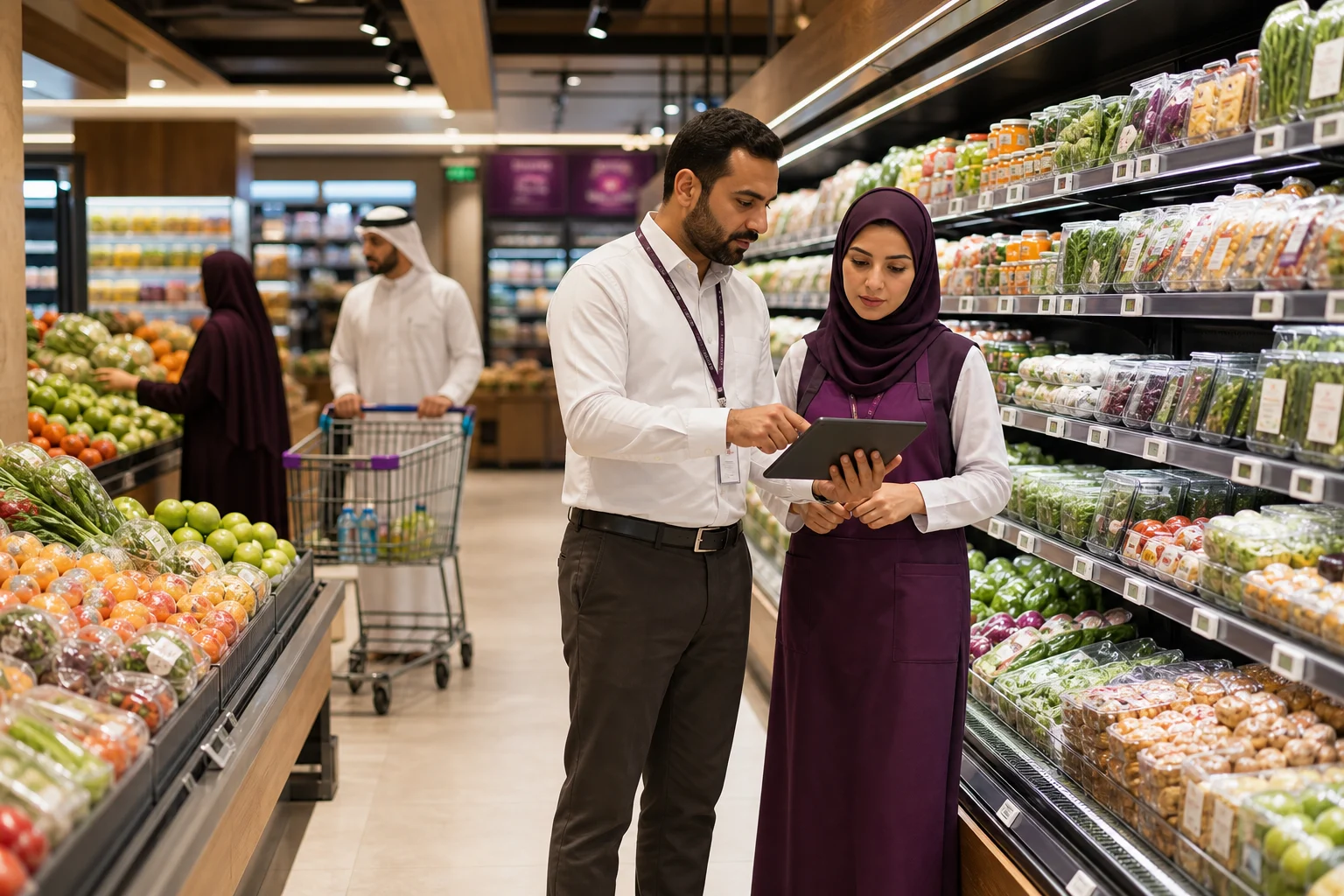
Classification, description, and availability define the customer’s field of choice.
More details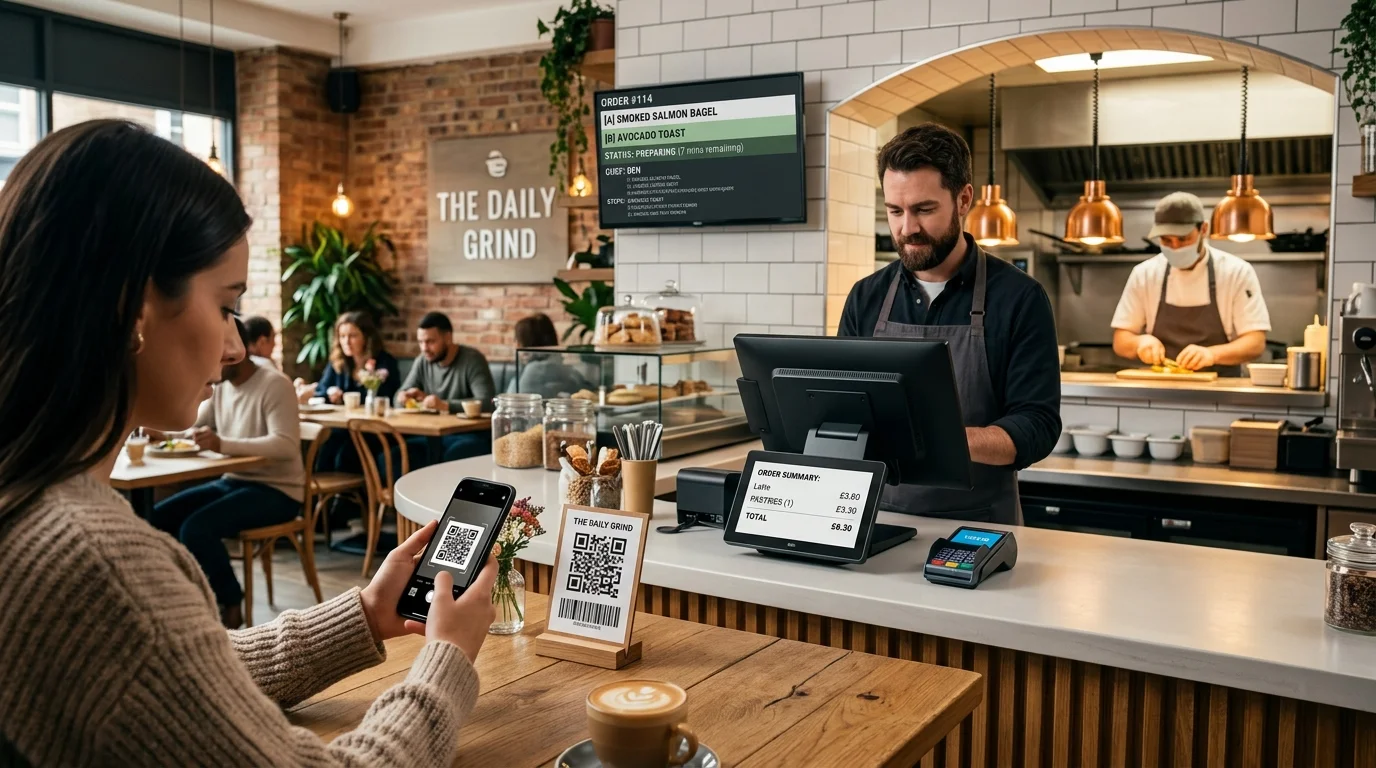
FoodTech POS
Before the total appears, an order has moved ingredients, staff time, customer context, and payment.
More details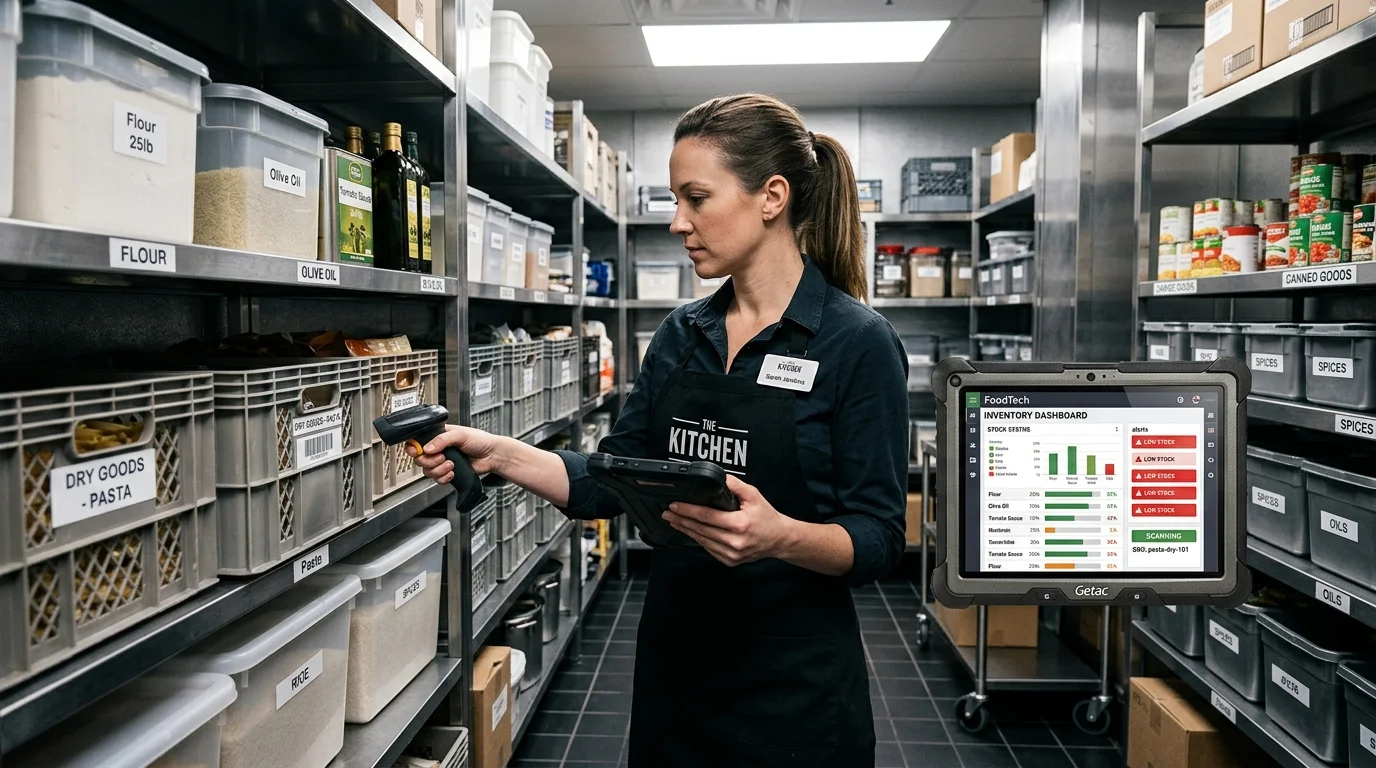
Inventory
Ingredients begin as cash leaving the business. They return through preparation and sale—or remain in waste and variance.
More details
FoodTech CRM
Visit, order, preference, complaint, message, and response shape what the next interaction should know.
More details
FoodTech Loyalty
Preference, timing, service, and a relevant reward can make the next visit easier.
More details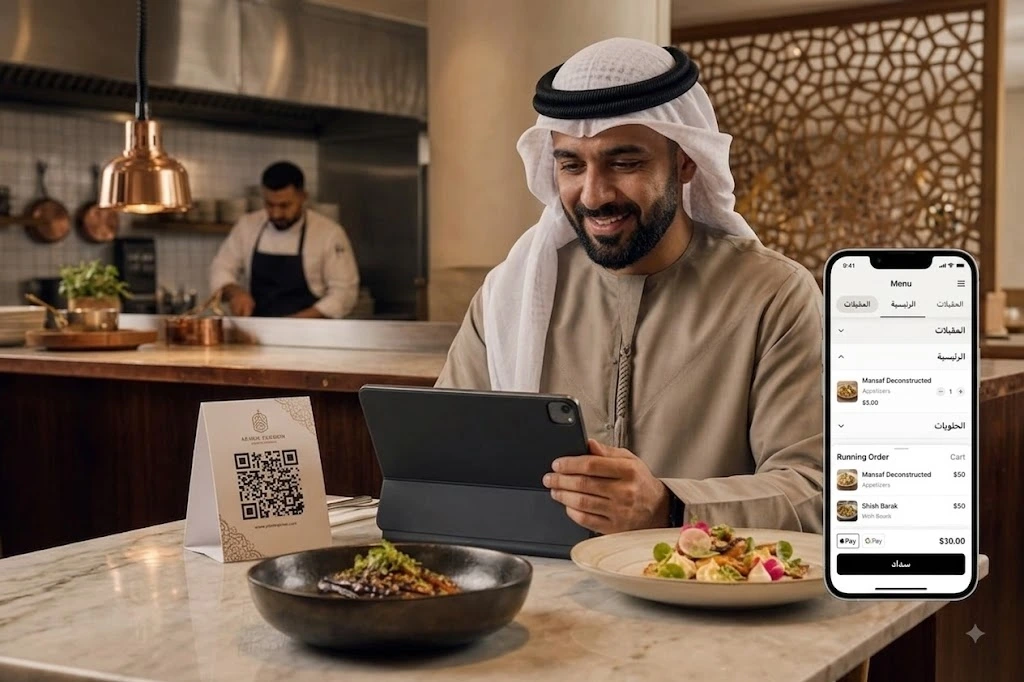
FoodTech Nexora
Table, home, car, kiosk, or counter: Nexora turns each starting point into an order reaching the same operation.
More detailsThe operating question
If a customer loved a 250g natural Ethiopian coffee for V60, does your store know what they actually loved or only remember the product name?
FoodTech
When brew method, product profile, and purchase history stay connected, the next visit begins as a better conversation instead of another search from zero.
Specialty coffee stores
Turn taste from an individual experience into a relationship the business can build on.
Connect crop, lot, freshness, brew method, and customer history, then let every purchase add knowledge that improves the next choice.