
Honey, nuts & natural product stores
When customers buy honey or nuts, they are not buying weight alone. They are buying trust they may return for.
Origin, variety, grade, lot, freshness, weight, and packaging are part of the product’s value. The same is true for dates, spices, oils, and natural foods. FoodTech makes that knowledge part of catalog, inventory, sale, and customer context rather than information held by one experienced employee.
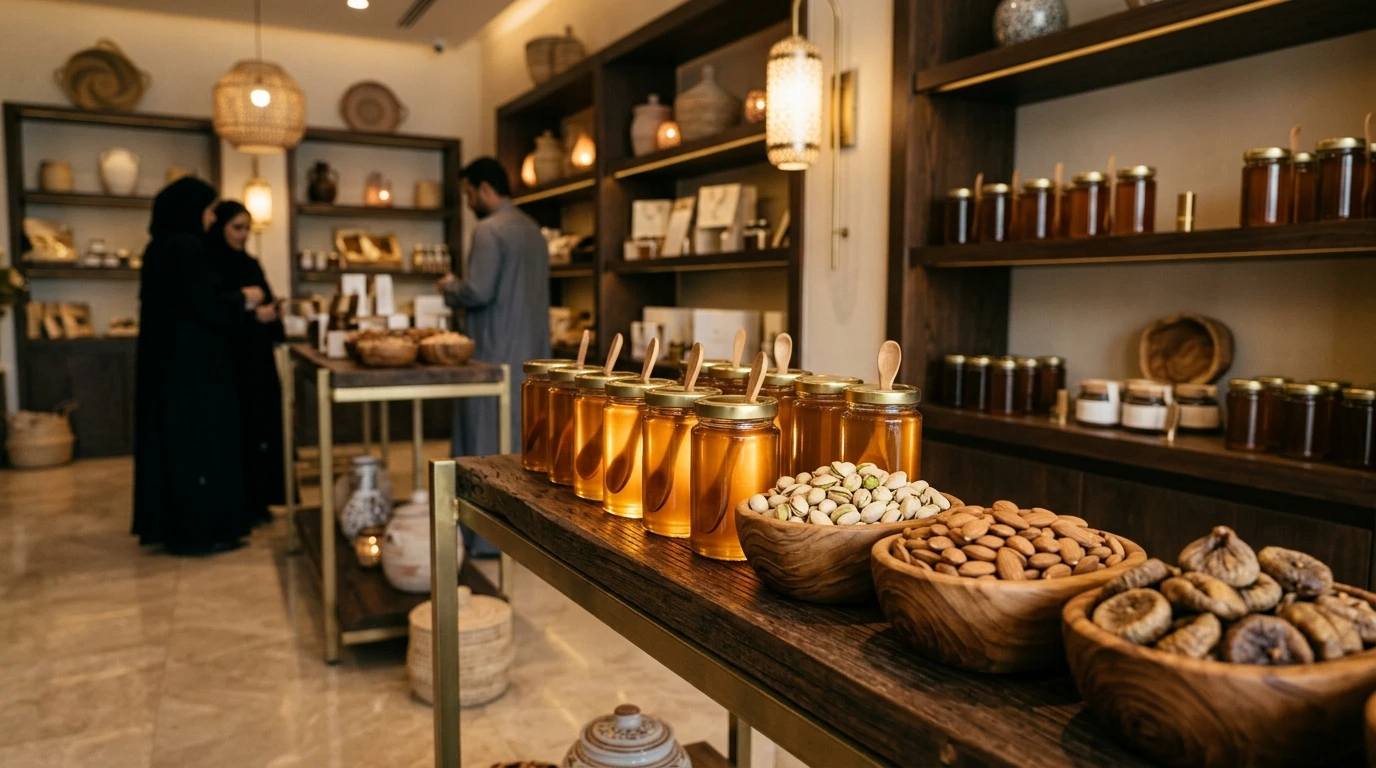
Operating reality
Generic POS reduces the item to a name and price even when the real difference is origin, season, grade, batch, or storage age. Once those details disappear, price becomes harder to justify and repeat buying depends on memory.
How the capability works
FoodTech connects source, lot, weight, pack, cost, and availability with sales and customer history so the store can understand preferred varieties, profitable packs, priority lots, and seasonal gifting without losing traceability.
The decision shift
If the system cannot explain the difference between two packs, the employee is forced to sell price alone.In trust-led products, commercial knowledge is an asset. Preserving origin, grade, lot, and freshness lets differentiation scale across staff, branches, and digital channels.
Operating signals
Do not show more numbers. Surface what deserves a decision.
Origin & lot
Know where the product came from and which lot reached the customer.
Freshness & age
Prioritize presentation and sale according to each product’s ideal window.
Pack margin
Compare bulk, packaged, and gifting formats on actual cost.
Customer preference
Remember the variety, grade, and size a customer chose before.
Seasonal gifting
Build Ramadan, holiday, and occasion assortments around stock and margin.
Supplier history
Connect lot quality, cost, and reliability to supplier history.
Honey, nuts & natural product stores
What should materially improve in this business.
Track source, lot, and grade instead of a generic item name
Sell by weight or pack with clear cost and margin for each form
Manage freshness, age, and relevant dates by product nature
Understand lot and pack profitability, not category totals alone
Build seasonal gift boxes from real products and real inventory
Remember customer preferences so repeat purchase becomes easier and more personal
Order moment
Desire starts when the store understands why the customer came.
A customer asks why two varieties differ and staff can see origin, grade, and lot immediately.
A customer returns for something they liked and the store recognizes the actual product, not only its category.
A gift is requested and the assortment is built from available inventory with visible margin.
A new lot arrives and remains traceable separately even under the same commercial product name.
Related products
Products are arranged around business economics, not a feature checklist.
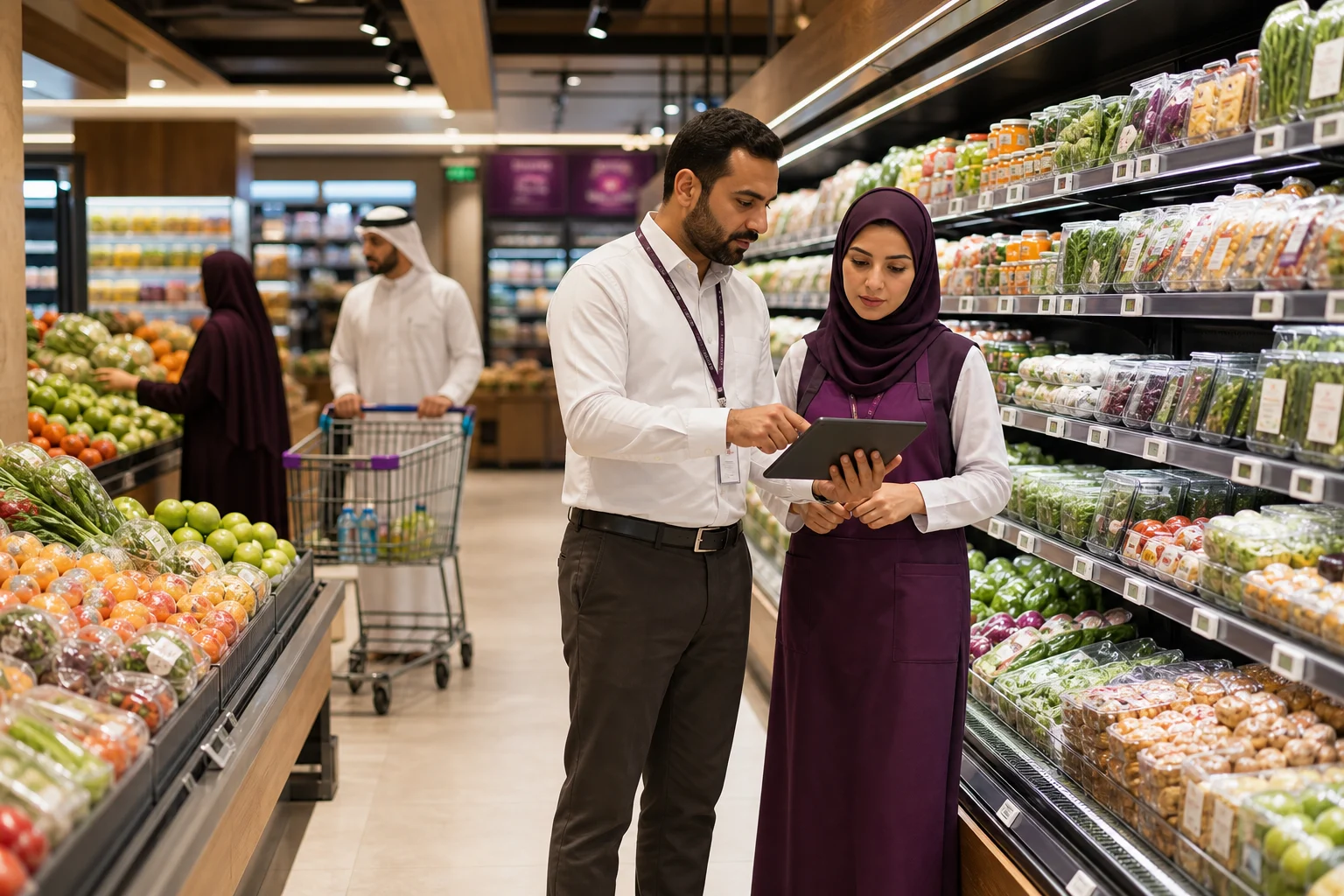
Smart Catalog
Classification, description, and availability define the customer’s field of choice.
More details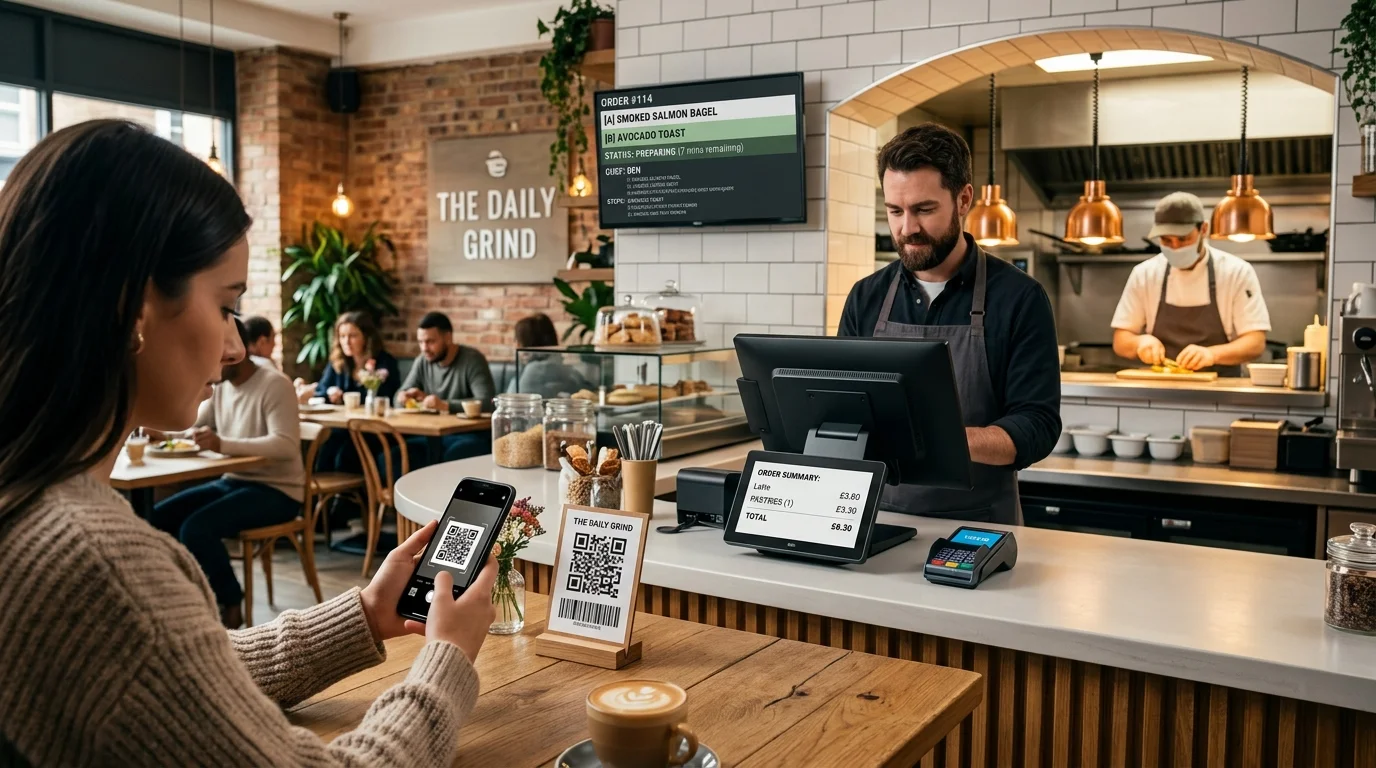
FoodTech POS
Before the total appears, an order has moved ingredients, staff time, customer context, and payment.
More details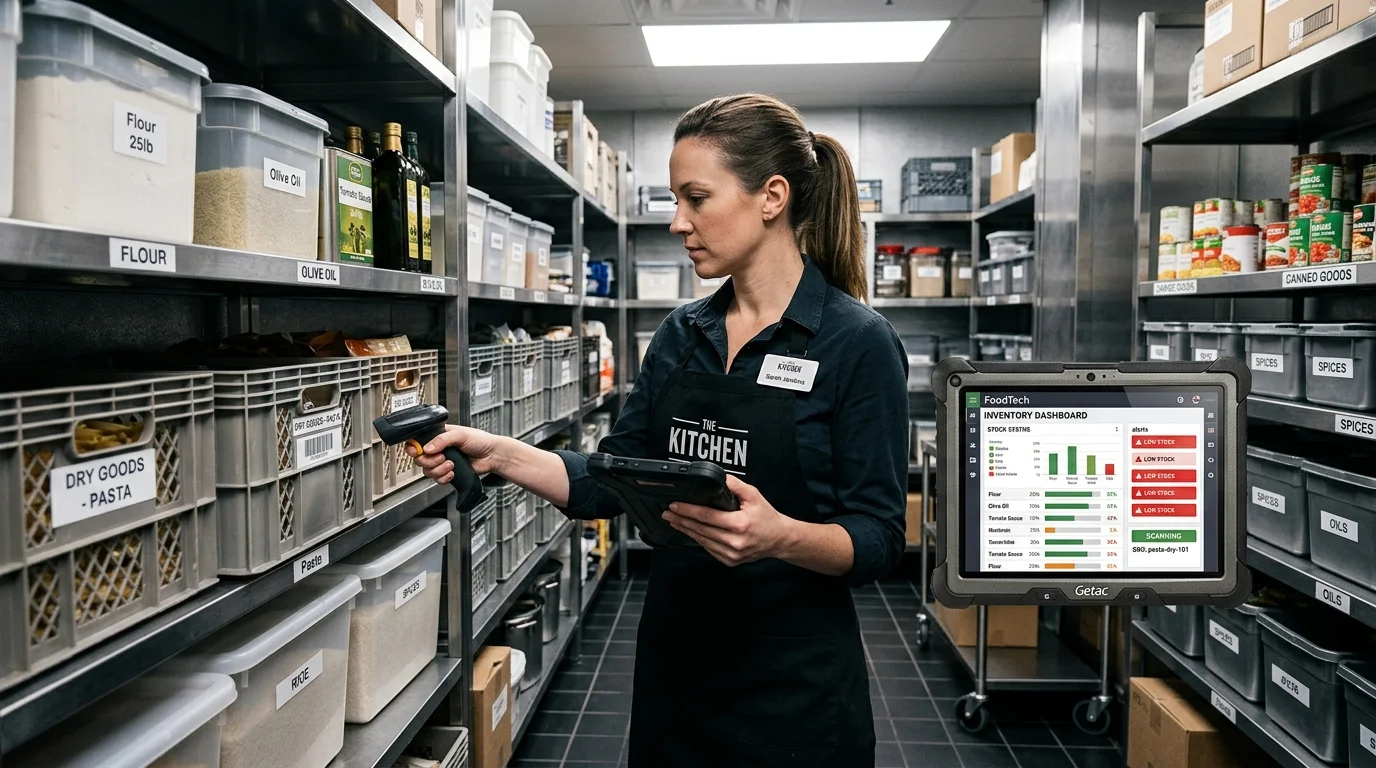
Inventory
Ingredients begin as cash leaving the business. They return through preparation and sale—or remain in waste and variance.
More details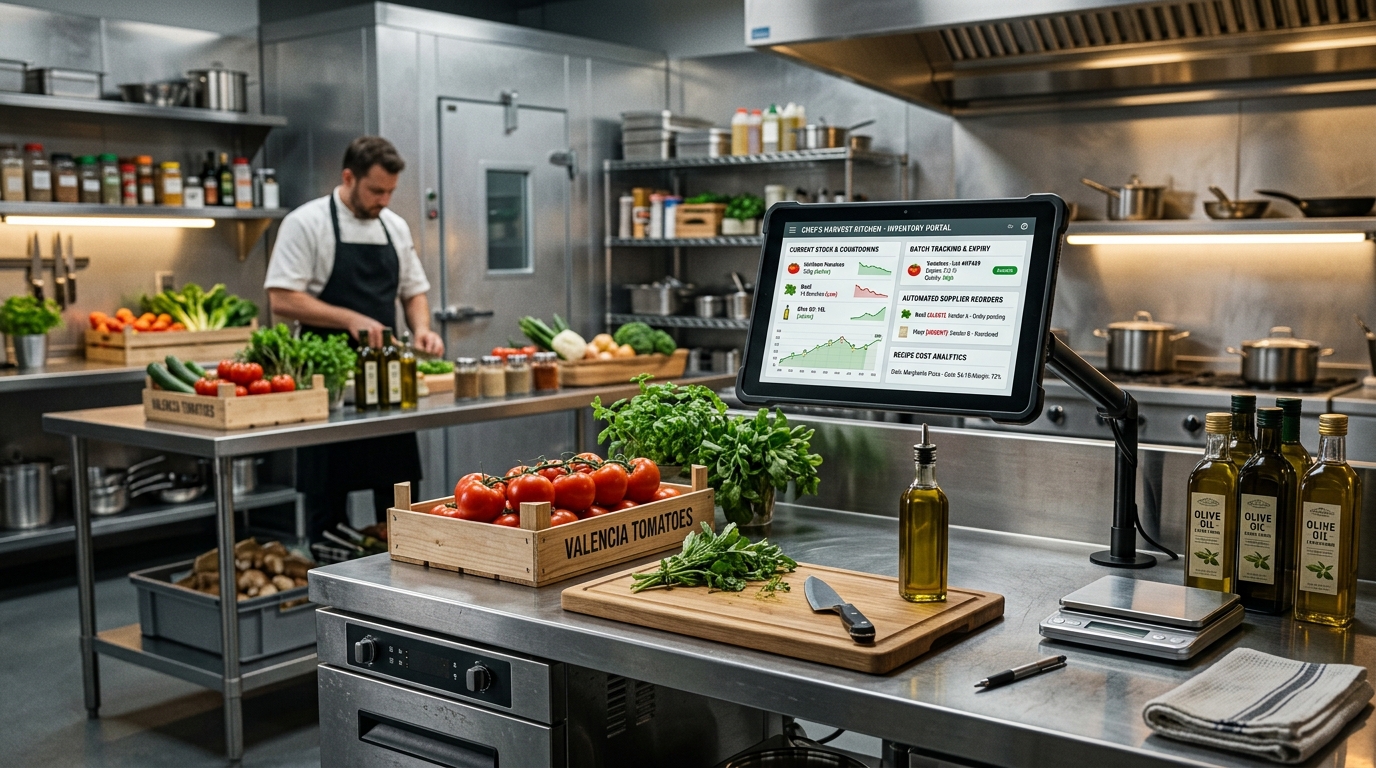
Purchasing
Price, quantity, timing, supplier, and expected use shape product margin before the first sale.
More details
FoodTech CRM
Visit, order, preference, complaint, message, and response shape what the next interaction should know.
More details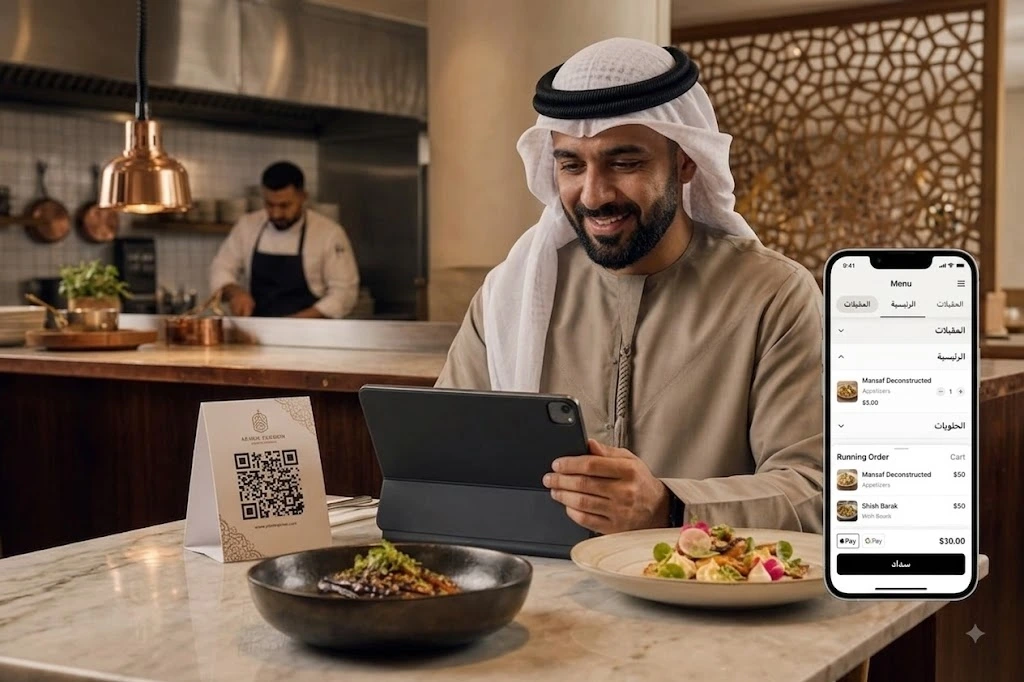
FoodTech Nexora
Table, home, car, kiosk, or counter: Nexora turns each starting point into an order reaching the same operation.
More detailsThe operating question
Can a new employee explain why one pack costs more than another without asking the most experienced person in the store?
FoodTech
When origin, grade, and lot become product data, store expertise moves from individual memory into a consistent experience that can scale.
Honey, nuts & natural product stores
Make product trust scalable instead of dependent on who stands behind the counter.
FoodTech connects product identity, origin, lots, inventory, and customer context so the value that differentiates the store stays visible in every branch and channel.