

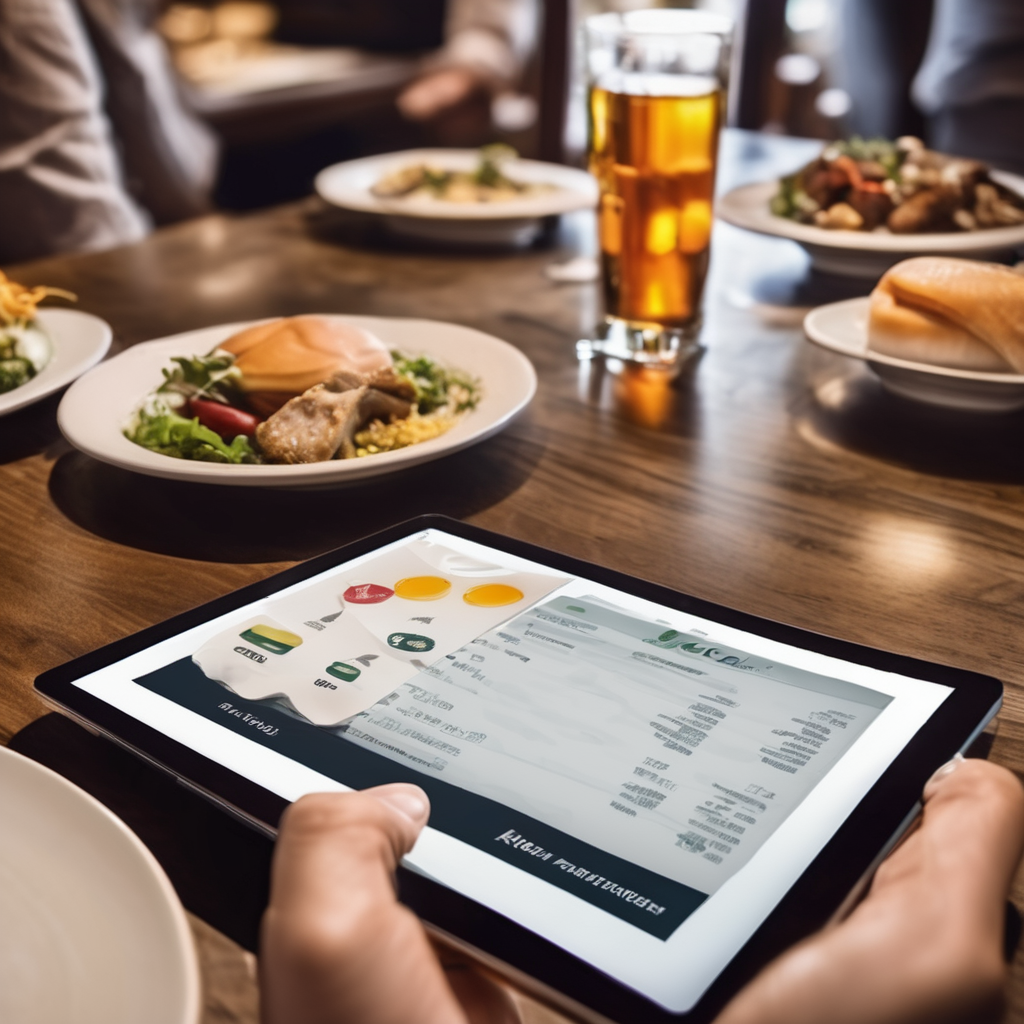


activating the feature of ordering and paying from the table
The importance of activating the feature of ordering and paying from the table in your traditional restaurant?
Introduction:
The traditional restaurant sector is considered one of the most challenging sectors in the business world, as different places compete to attract their customers and provide unique dining experiences. In this context, the role of ordering and payment technology comes from the table to achieve a positive transformation in the customer experience and management of the internal operations of the restaurant. This article aims to provide a detailed analysis of the importance of activating this feature, based on studies and analytical reports.
Part One: Transforming the Customer Experience
The technology of ordering and paying at the table contributes significantly to improving the customer experience. Studies have shown that customers prefer places that provide this service, where they can order easily and pay the bill without inconvenience. This contributes to raising the level of satisfaction and loyalty to the brand.
Part Two: Improving the Efficiency of Internal Operations
By activating the ordering and payment feature from the table, the restaurant can improve the efficiency of internal operations. Analytical studies have shown that this technology reduces waiting time for customers and contributes to improving work flow in the restaurant. Waiters can focus their efforts on providing better service rather than focusing on checkouts.
Part Three: Increasing Profitability and Improving Marketing
Activating the payment feature at the table can contribute to increasing the profitability of the restaurant. Studies indicate that customers may increase the value of their bills when they are able to pay directly from the table. This technology can also be exploited to implement targeted marketing campaigns to promote special offers and increase interaction with customers.
Part Four: Benefits of the table payment solution:
1. Improving customer experience:
Enabling payment at the table is an important step towards improving customer experience. The customer can pay smoothly and instantly from his place without having to stand in line or wait for the cashier. This contributes to enhancing customer comfort and raising the level of satisfaction.
2. Increase service efficiency:
The table payment solution contributes to improving service efficiency in the restaurant. Waiters can direct their attention to providing service rather than managing checkouts, reducing service time and increasing customer satisfaction.
3. Accuracy in financial transactions:
The table payment solution provides greater accuracy in financial transactions. The customer can see their invoice and amounts due instantly, reducing the chances of pricing errors and improving financial transparency.
4. Increase conversion rate and profitability:
Studies show that adopting payment solutions at the table can increase conversion rates and profitability. Customers feel more comfortable making financial transactions, which encourages them to increase their bills and interact with additional services and special offers.
5. Improve marketing and data collection:
Pay-at-the-table solutions can be used to collect data about customer preferences and behavior. This graphical analysis allows restaurants to improve marketing strategies and better target offers to meet customers' needs.
Conclusion:
Enabling the payment solution at the table undoubtedly enhances the customer experience and brings great benefits to restaurants, making them embrace technological innovation to enhance their success and sustainability in the competitive restaurant market.
Through analysis of analytical studies, it appears that activating the feature of ordering and paying from the table represents a fundamental improvement in the customer experience and the efficiency of restaurant management. This technological transformation promotes greater interaction and loyalty from customers, which contributes to the success and sustainability of business in the restaurant sector.